Original, source-backed articles about running small systems, static sites, HTTP, DNS, TLS, and operations.
Posts are original articles written for this site. Each one is script-free, source-backed, and tied to the same operational reality the rest of the site records: how a small, static, publicly served system is built, secured, and kept honest.
InnoDB deadlocks roll back the whole victim transaction
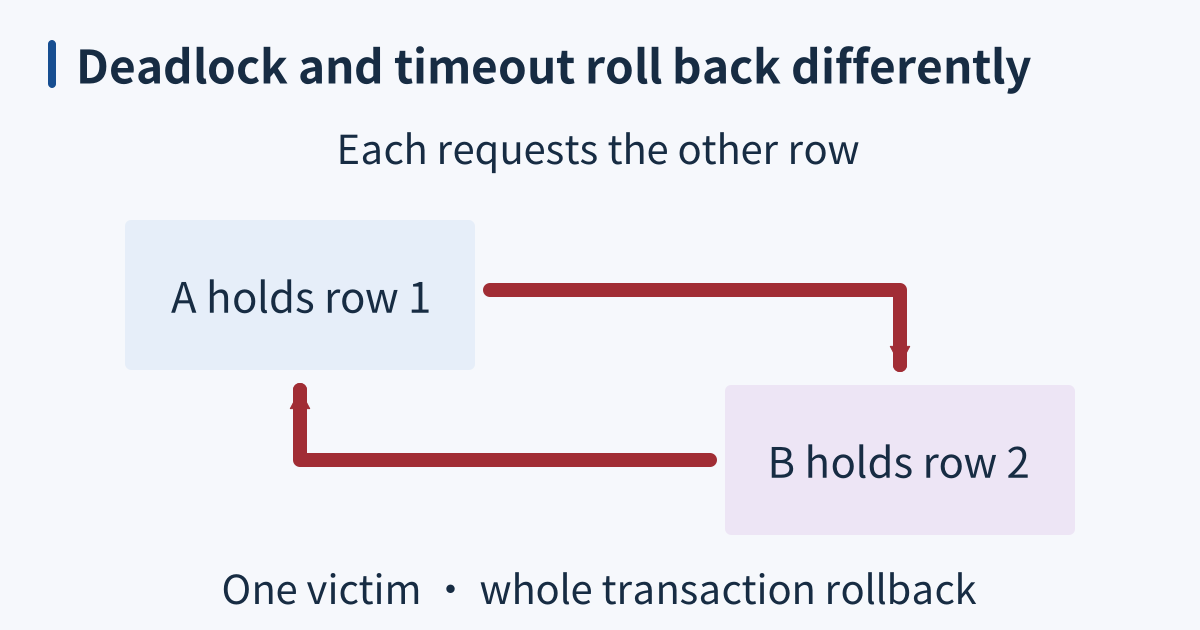
An InnoDB deadlock occurs when transactions form a cycle of incompatible lock requests. With deadlock detection enabled, InnoDB chooses a victim and rolls back that entire transaction so another participant can proceed. The application receives error 1213 with SQLSTATE 40001. Retrying only the statement that reported the error omits earlier work that was rolled back with it.
...
dnsmasq separates forwarded cache entries from configured local names
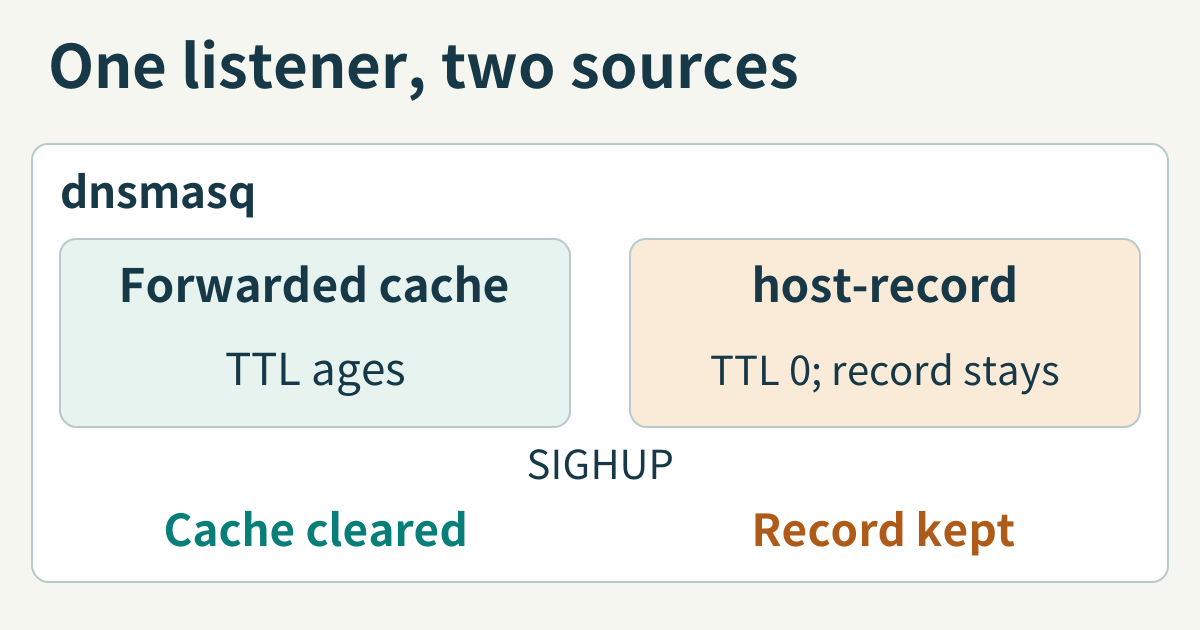
dnsmasq can forward DNS questions upstream, retain supported answers in a bounded cache, and serve names configured locally. These are different sources of data. A repeated answer may be a cache hit or a local configuration result. Establishing which source supplied it is essential when a hostname disagrees with the authority or continues resolving after a cache flush.
...
LVM snapshots capture a block device in time
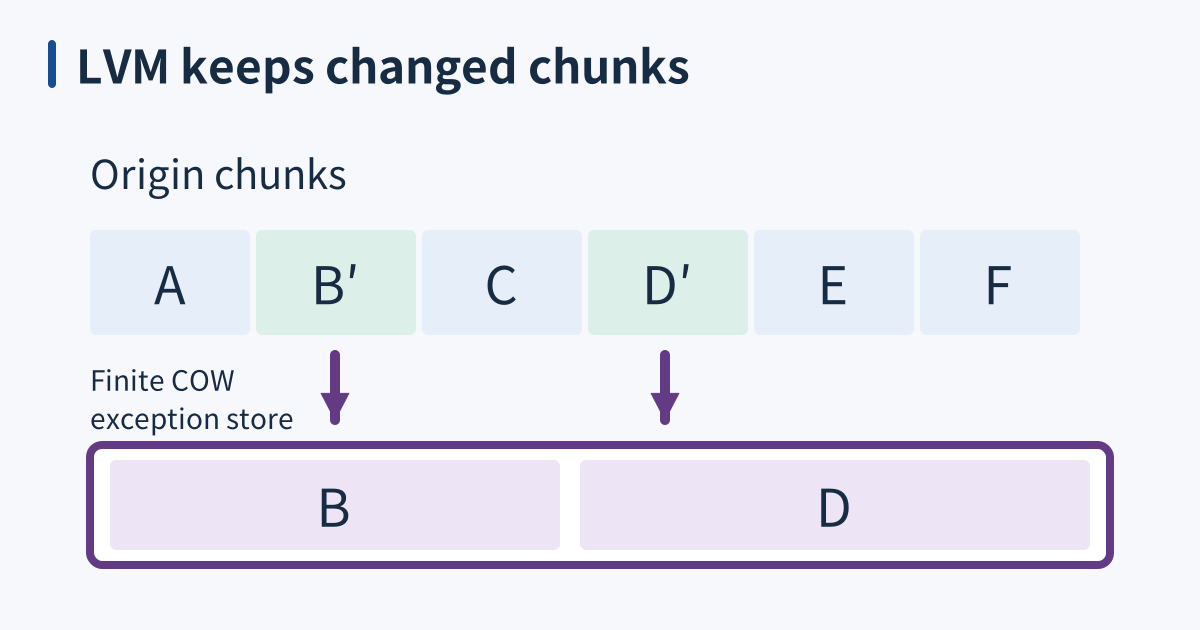
A classic LVM snapshot uses a copy-on-write exception store attached to an origin logical volume. lvcreate -s -L 5G -n snap vg/data requests a 5 GiB store, subject to allocation granularity and available volume-group space. It avoids copying the whole origin at creation, but does not guarantee zero work or instant completion. Thin snapshots use a different shared-pool mechanism.
...
Consul discovery reflects health policy and freshness
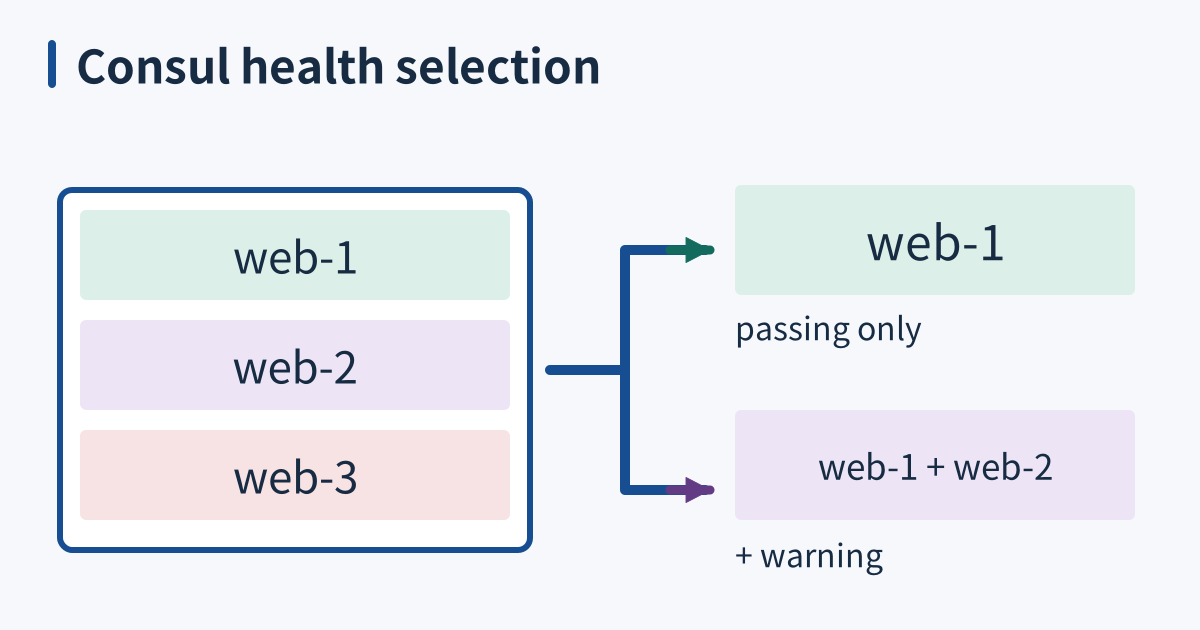
Consul discovery reports registered endpoints and recorded health observations. It cannot promise that every returned endpoint will answer the caller’s next request. A useful operating model separates four things: what is registered, which checks apply, which states the query accepts, and how old those observations may be. A successful lookup establishes none of those guarantees by itself.
...
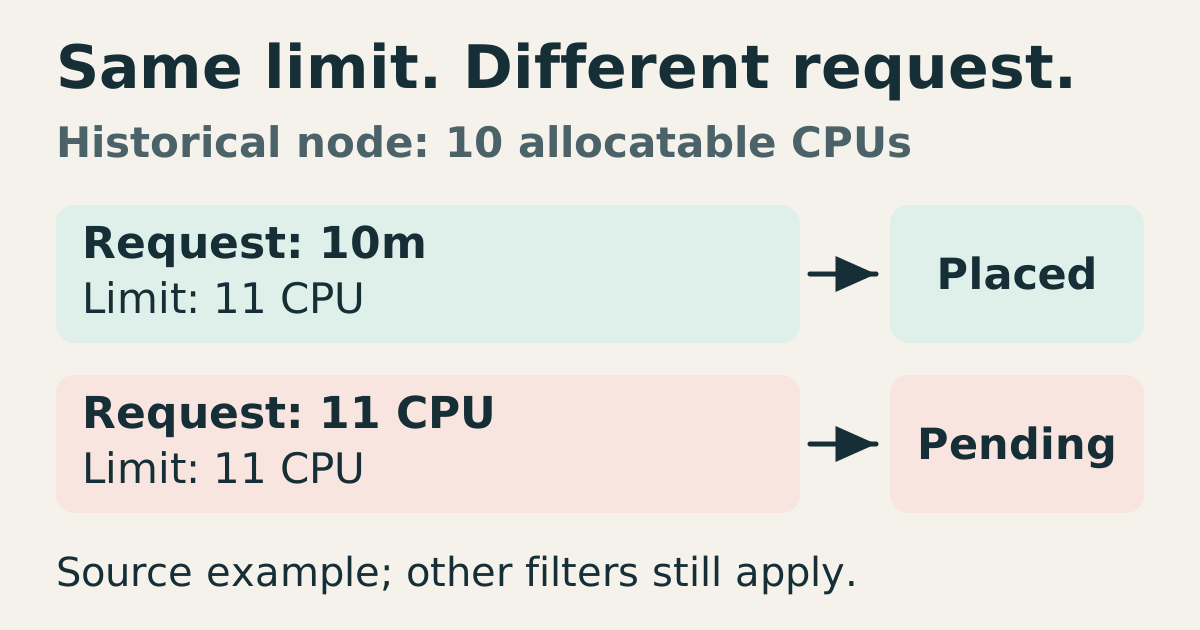
The scheduler accounts for requests, not momentary utilization
Kubernetes scheduling answers whether a Pod can fit a node under the applicable resource requests and placement constraints. It does not simply look at a current CPU utilization chart and place work wherever the line is low. Requests provide accounting inputs for future demand; actual usage is a separate observation. Diagnose both before deciding that an idle-looking cluster has capacity for a particular Pod.
...
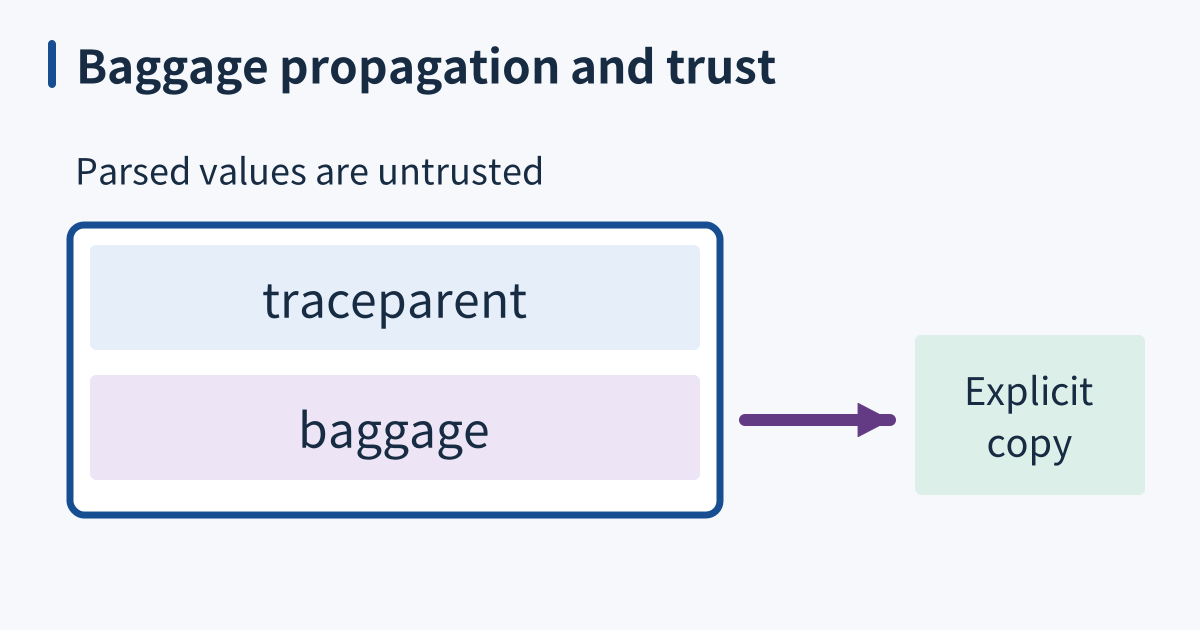
Baggage carries context across an explicit boundary
OpenTelemetry baggage is a context-associated collection of string key-value pairs. It lets information known near a request’s entry point travel to downstream operations: a deployment region or a rollout cohort, for example. Unlike a span attribute, baggage is intended for propagation. Unlike trace context, it describes application-selected information rather than the identifiers and flags connecting spans. These mechanisms can travel together without being the same data structure.
...
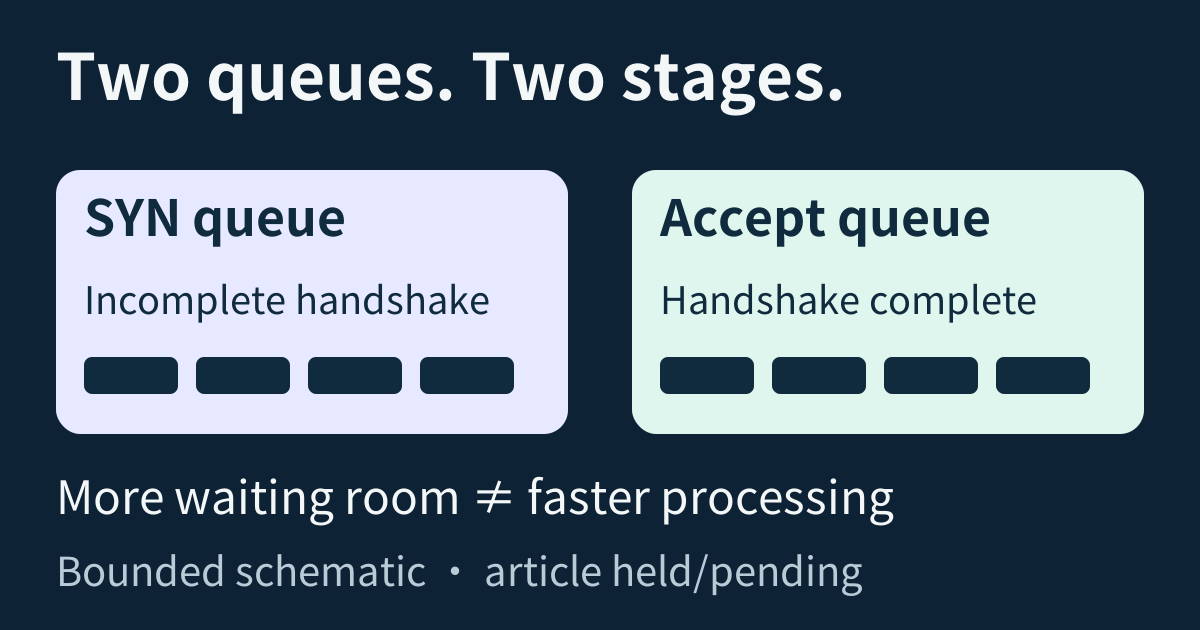
The SYN backlog holds incomplete handshakes
A listening TCP socket separates incomplete handshakes from established connections waiting for accept(). The real setting is tcp_max_syn_backlog; this article retains its historical URL spelling. It concerns remembered incomplete requests, whereas the listen() backlog concerns the accept queue. Diagnose which stage is under pressure before choosing a remedy.
...
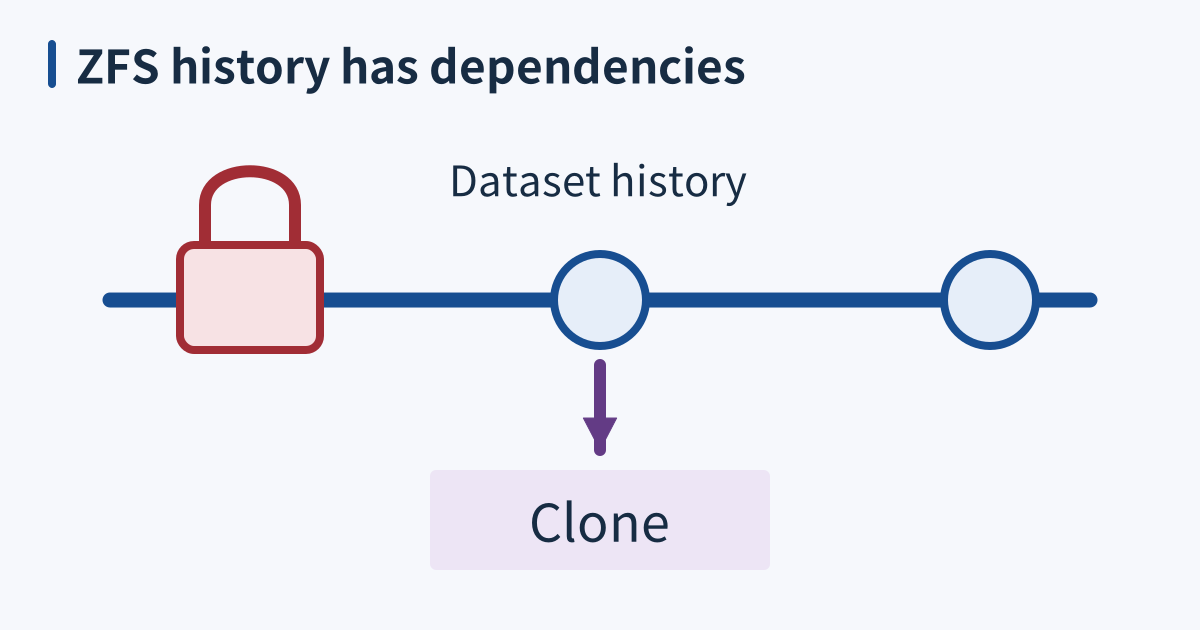
ZFS snapshots give the filesystem a rewind button
A ZFS snapshot preserves a point-in-time dataset view through copy-on-write references instead of a full duplicate of its data. Existing blocks remain available while references need them. Creation still has metadata and synchronization work; neither zero allocation nor completion before a shell redraw is a measured guarantee. This review did not run ZFS or recover the earlier claimed fixture’s raw output.
...