Original, source-backed articles about running small systems, static sites, HTTP, DNS, TLS, and operations.
Posts are original articles written for this site. Each one is script-free, source-backed, and tied to the same operational reality the rest of the site records: how a small, static, publicly served system is built, secured, and kept honest.
Hugo publication flags decide what enters the artifact
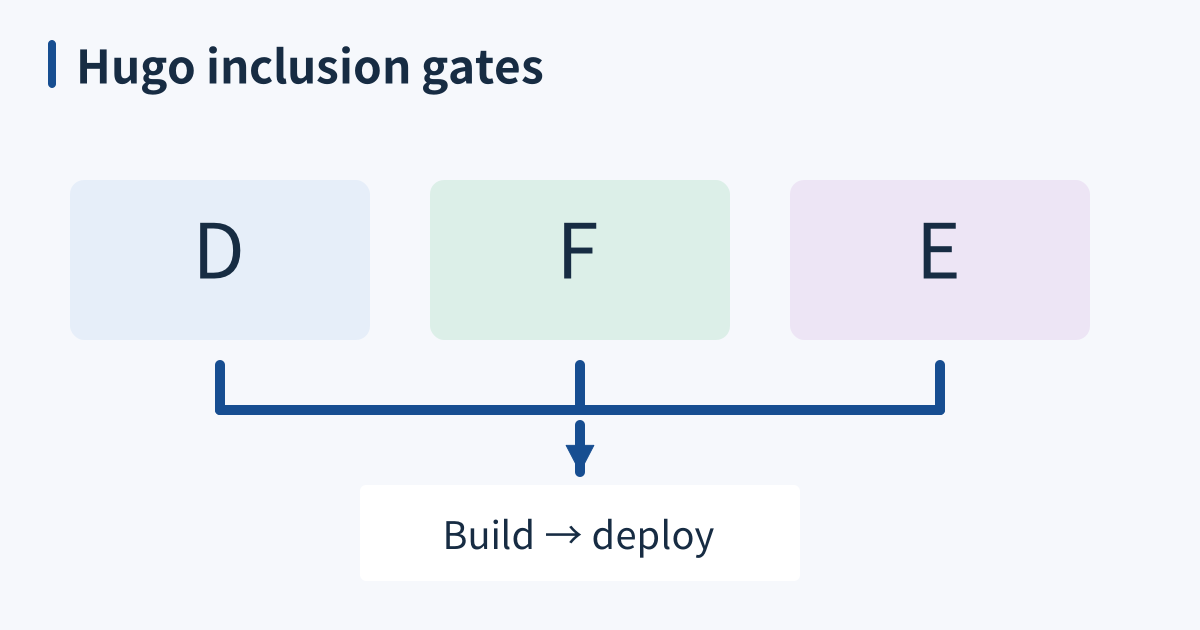
Hugo decides which pages to render when a build runs. Front matter supplies publication metadata, configuration and command flags supply inclusion rules, and the build clock supplies the time used for evaluation. The deployed directory then stays unchanged until another artifact replaces it. A date reaching midnight is not itself a deployment event, and a file without draft: true is not automatically a draft.
...
iotop shows which process is burning the disks
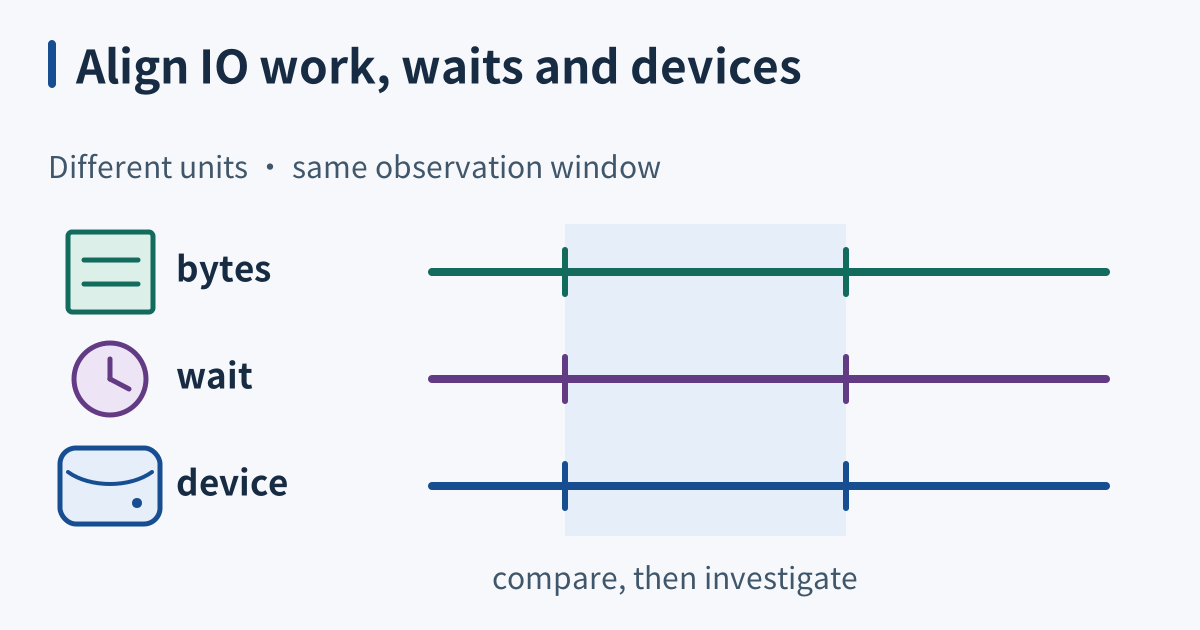
iotop connects task-level kernel accounting with a system-wide storage investigation. It can identify tasks reporting substantial IO or waiting, but those are different observations. A task blocked behind other work may be a victim rather than the source of contention. Kernel counters do not provide perfect attribution for every filesystem, cache, or storage layer.
...
A microcache serves fresh entries briefly and coalesces misses explicitly
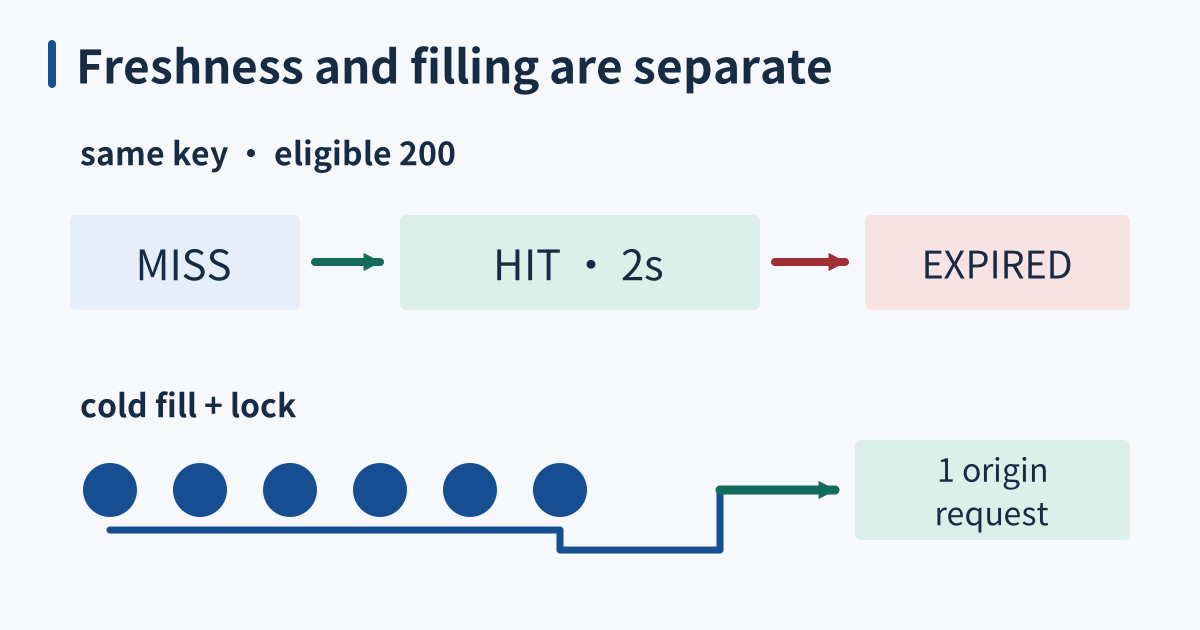
A microcache keeps reusable responses for a short freshness lifetime, often a few seconds. Requests for the same selected representation can reuse a fresh entry during that window. The response might lag a new origin update, but it is not HTTP-stale merely because it came from a cache. Expiration, permission to serve stale content, and concurrent cache filling are separate policies.
...
etcd elects a leader so writes happen in order
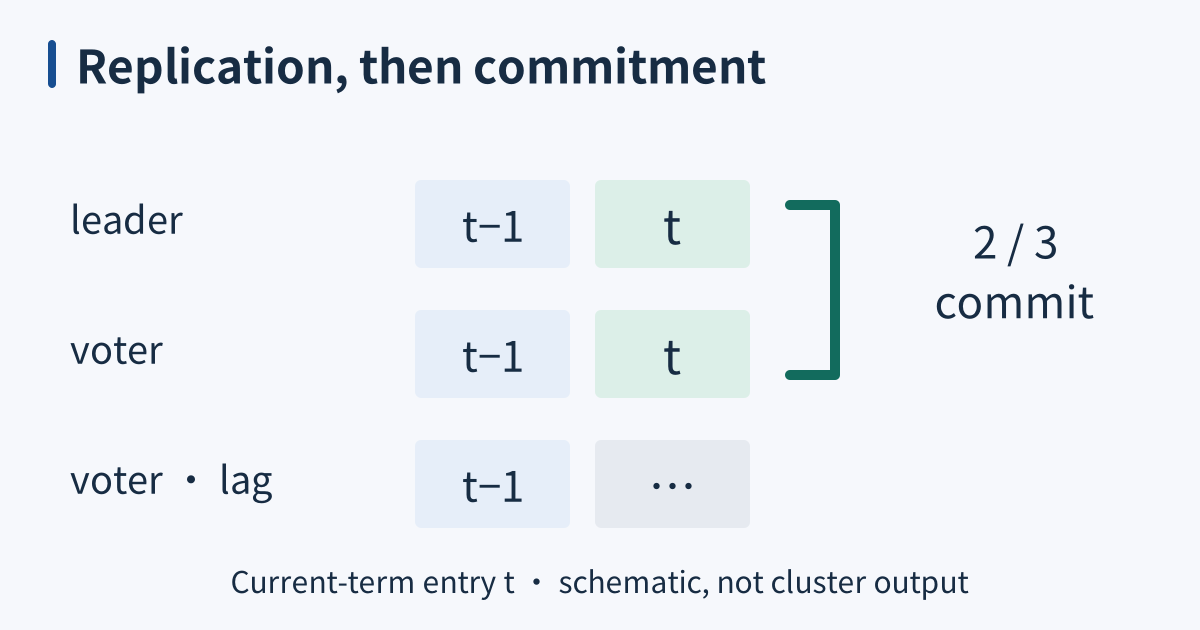
etcd uses Raft to order changes to its replicated state. Replicas can temporarily lag; consensus does not mean every member holds identical bytes at every instant. A leader coordinates replication, while the voting majority determines progress. Keep election, commitment, local application, and client acknowledgment separate when diagnosing whether an operation succeeded.
...
BPF tracepoints peek inside the running kernel
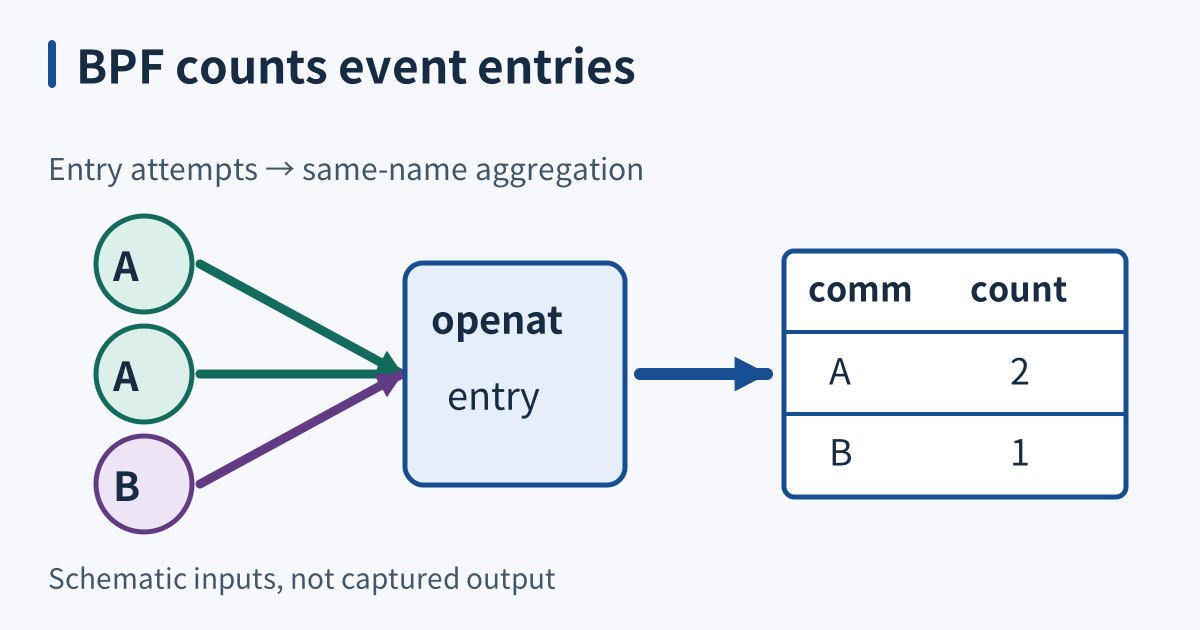
BPF programs can attach to selected events in a running kernel without rebuilding the application or restarting its workload. A userspace loader still loads and manages the probe. Collection changes resource use, so “live” does not mean invisible or free. Other profilers can also observe running programs; choosing BPF depends on the question and available instrumentation.
...
InnoDB covering indexes carry the query's columns
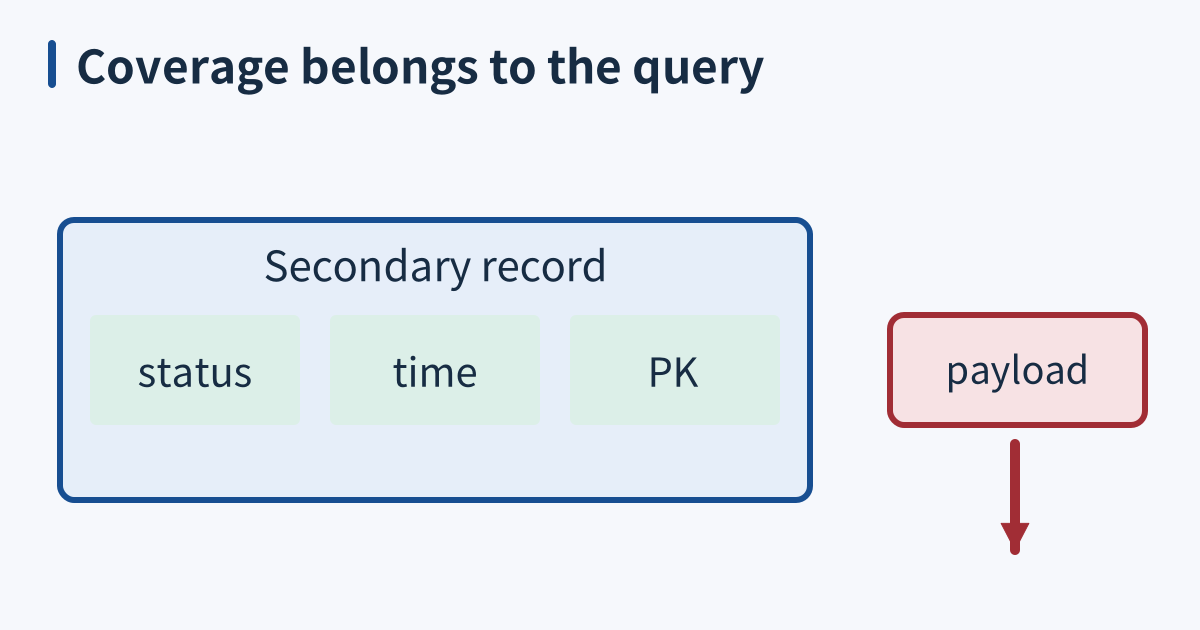
A covering index contains the columns needed to evaluate a particular query and return its requested values. In InnoDB, secondary-index records also carry the primary-key columns, so a query can be covered without explicitly listing the primary key again in the secondary-index definition. Coverage is a relationship between one query and an index, not a permanent property that applies to every query against the table.
...
DNS TTL trades repeated upstream queries against retained answers
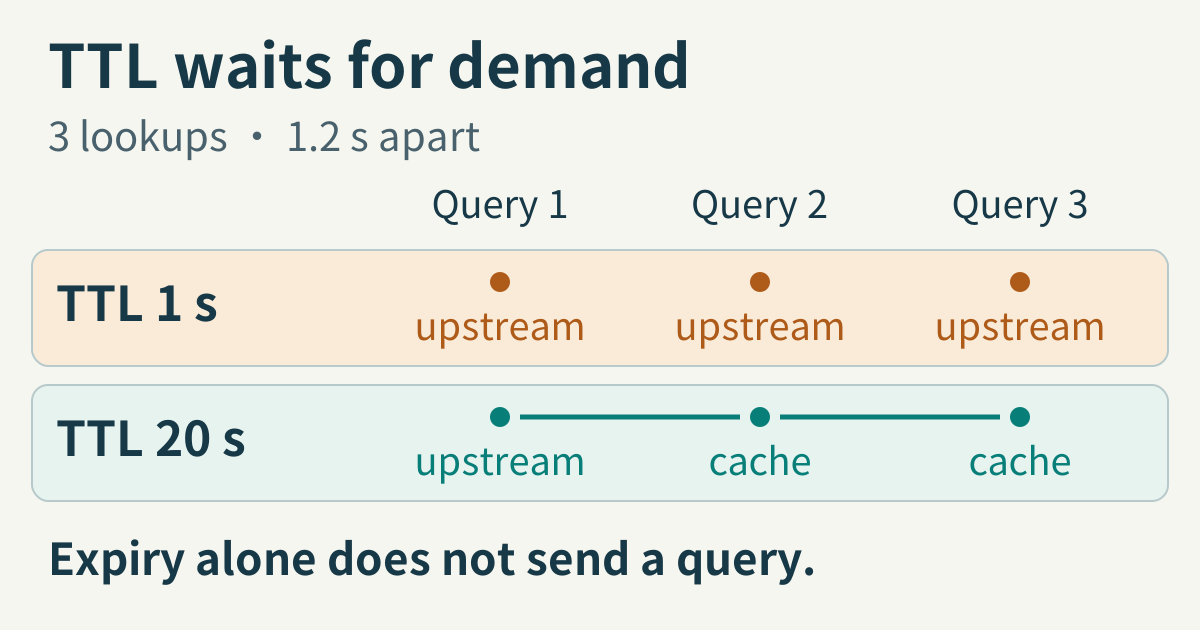
A DNS TTL is a lifetime attached to cached data, not a refresh job scheduled for every second. A cache can reuse a valid answer while it retains that entry. After expiry, a subsequent request usually requires fresh resolution unless another configured behavior applies. An idle record need not produce an upstream query merely because its TTL has reached zero.
...
Bash history is your searchable command log
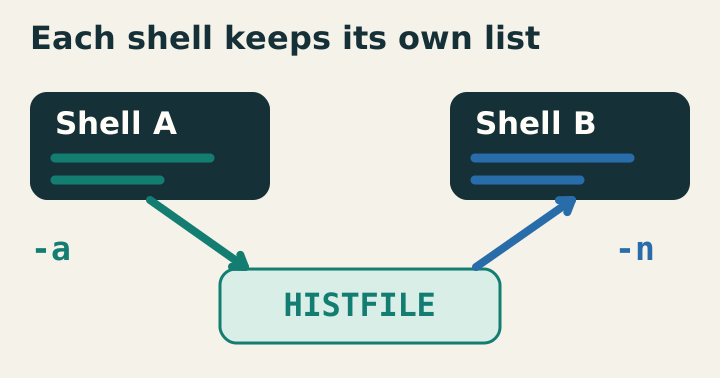
A useful command history saves retyping, but it is not a complete record of everything executed. Bash normally enables history in interactive shells, and settings can exclude entries or limit retention. The searchable list in a running shell and the history file on disk are separate states. That distinction explains why a command may be visible in one terminal, absent in another, and lost when an unwritten session ends unexpectedly.
...