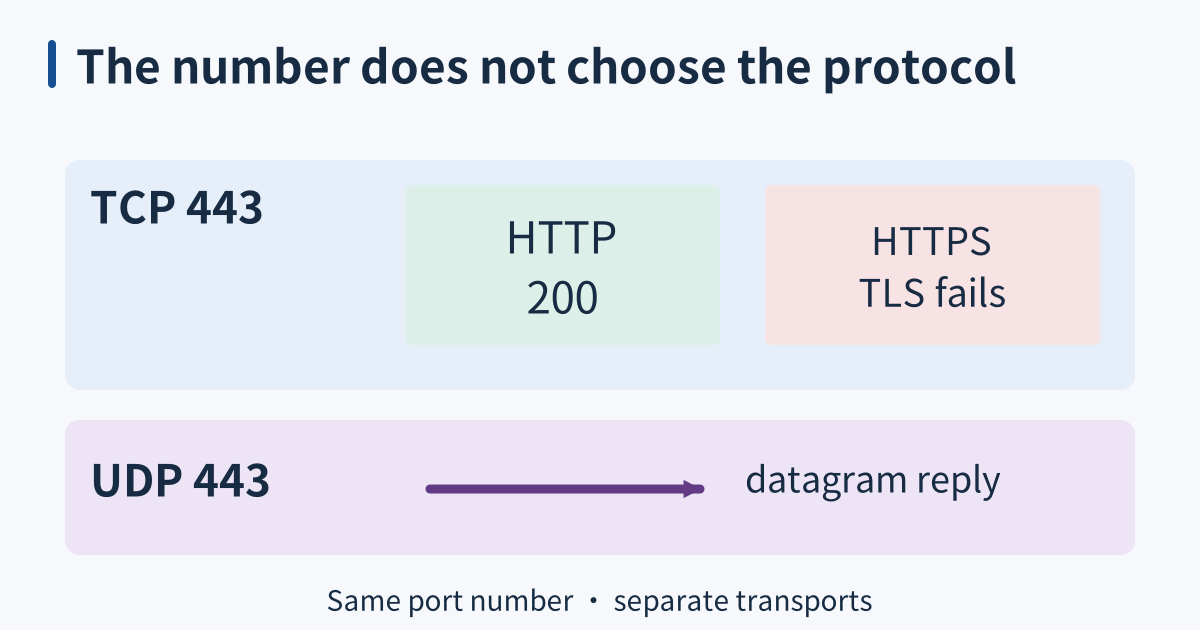
A TCP 443 lane contains two outcomes at the same plaintext listener: HTTP receives 200 and HTTPS fails TLS. A separate UDP 443 lane receives a datagram reply. The equal numbers do not merge the transport namespaces.

Default ports are conventions, not protocol detection or security

A default port lets a client omit a number when a protocol or configuration already supplies it. HTTP commonly uses TCP 80, HTTPS TCP 443, and SSH TCP 22. These assignments reduce configuration, but they do not inspect a listener’s bytes or establish its identity. An endpoint includes an address and transport as well as a port, and its application protocol still has to match the caller. ...
April 14, 2027 · 5 min · XB Field Notes
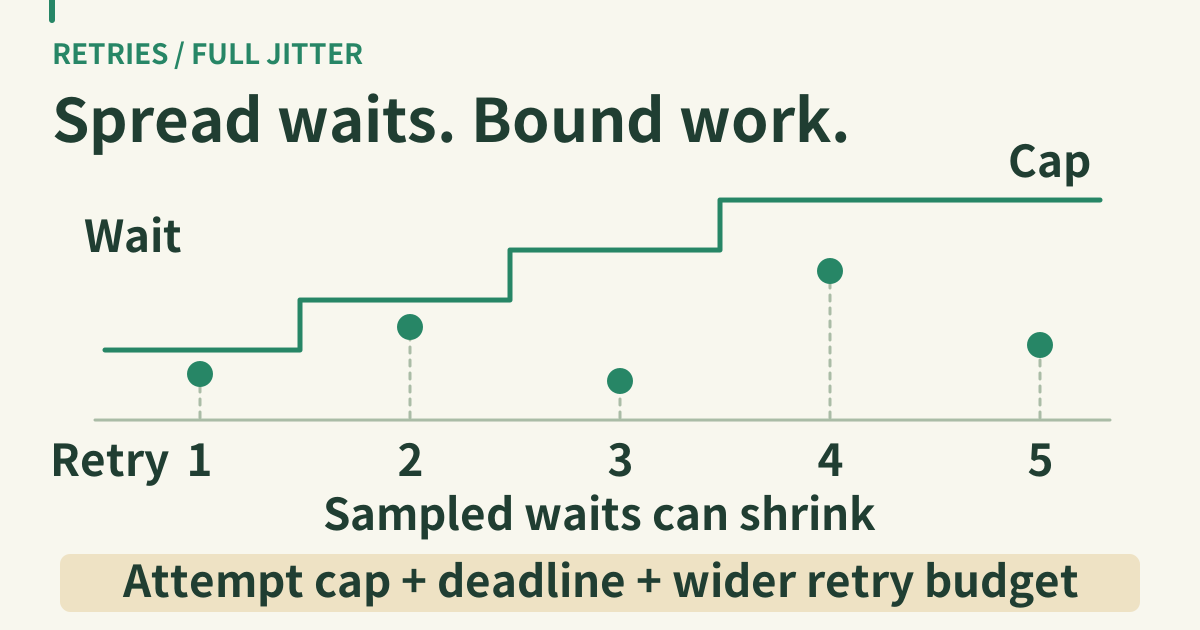
A capped retry ceiling rises and then flattens while sampled full-jitter waits vary below it and sometimes shrink. Attempt caps, deadlines, and wider retry budgets remain separate constraints.

Retries with jitter and backoff

A retry is another unit of work, not an automatic improvement in reliability. It can recover from a transient failure, but can also repeat an unsafe operation or add demand to an overloaded dependency. Decide whether the operation is eligible, how much total effort is allowed, and when that effort should happen before choosing a delay formula. ...

April 10, 2027 · 7 min · XB Field Notes
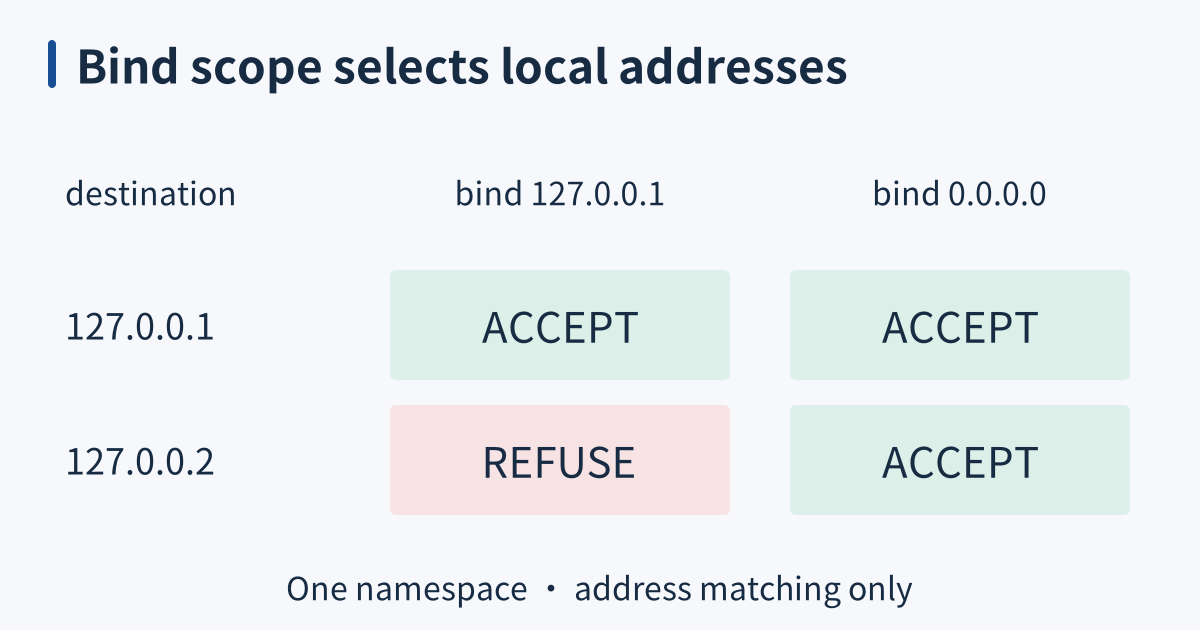
Intended IPv4 address-matching model: requests to 127.0.0.1 and 127.0.0.2 form the matrix rows; exact 127.0.0.1 and wildcard 0.0.0.0 binds form its columns. The exact bind accepts only the first destination; the wildcard accepts both. This is not reproduced output or evidence of IPv6 readiness.

A bind address selects local destinations; reachability needs the whole path

A server’s bind address selects which local destination addresses its socket can accept. Binding an IPv4 listener to 127.0.0.1 differs from binding it to 0.0.0.0, the wildcard address. Neither setting alone describes the complete access policy. Routing, network namespaces, packet filtering, port publication, proxies, and application authentication determine how a request reaches the listener and what it may do afterward. ...

April 2, 2027 · 6 min · XB Field Notes
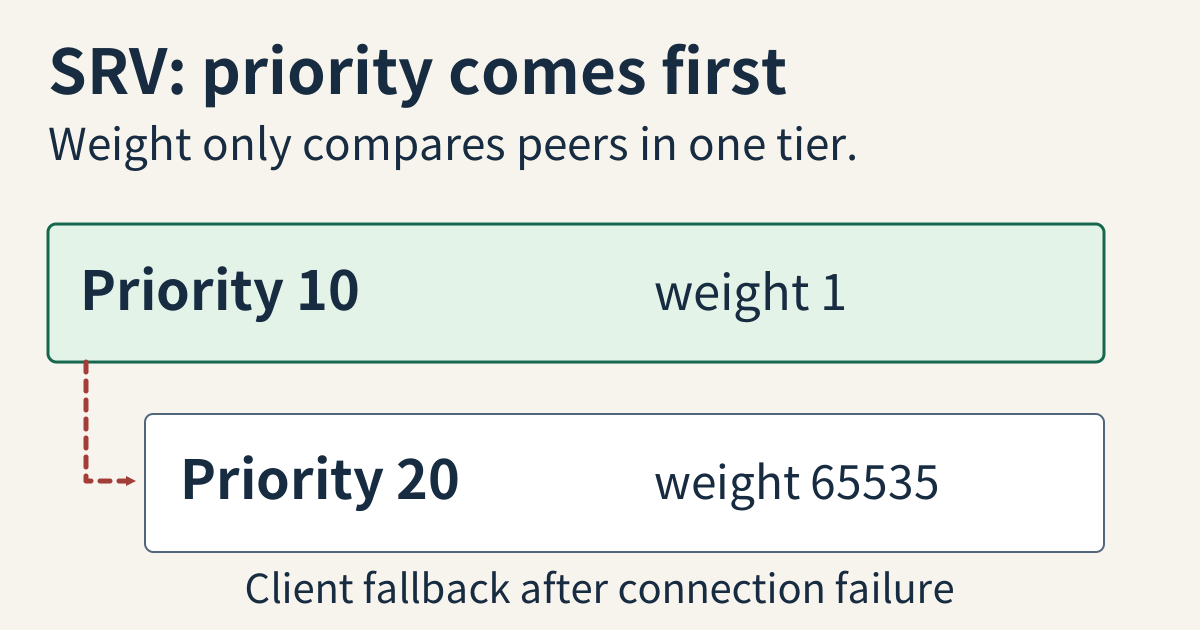
The healthy priority-10 target with weight 1 precedes the priority-20 backup with weight 65535; connection failure triggers client fallback.

SRV discovery gives clients targets and ports that they must interpret

An SRV record describes a service target using priority, weight, port, and a target hostname. Its owner normally combines a service label, transport label, and domain, such as _echo._tcp.lab.test. A client that understands that service can query SRV, obtain target addresses through A or AAAA, and connect to the advertised port. Ordinary hostname lookup does not automatically perform this application-specific discovery sequence. ...

March 13, 2027 · 6 min · XB Field Notes
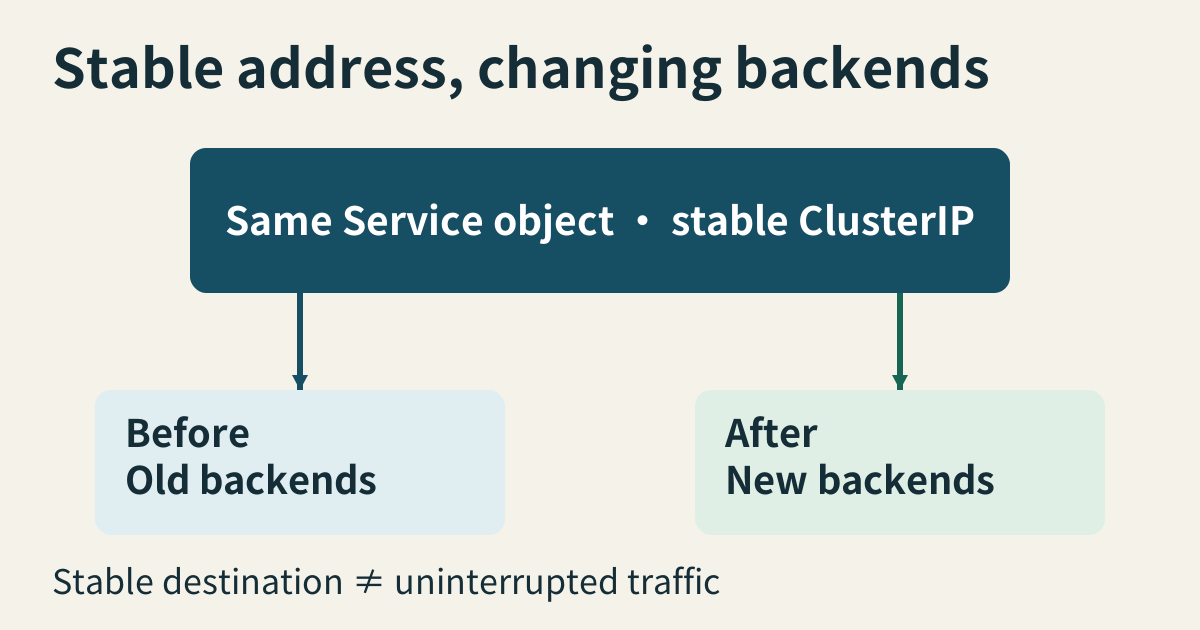
One ordinary ClusterIP Service address spans backend replacement: the before and after Pod states differ, while the Service object remains. This does not guarantee uninterrupted traffic.

A Service gives a pod a stable virtual address

The selector turns the Service from a fixed Endpoint into a live view: refresh happens in the background, and a client never edits its config when pods restart. The Service object lifetime bounds address stability. Membership, routing convergence and successful traffic remain separate. The exact allocator model passed again; no Kubernetes execution was added. Declared, then given an address An ordinary ClusterIP Service provides a virtual address and, with cluster DNS, a stable discovery name for its lifetime. A selector-based Service also declares which Pods in its namespace are intended backends. Other forms differ: headless Services allocate no virtual IP, ExternalName uses DNS indirection, and selectorless Services can use separately managed EndpointSlices. ...

February 9, 2027 · 6 min · XB Field Notes
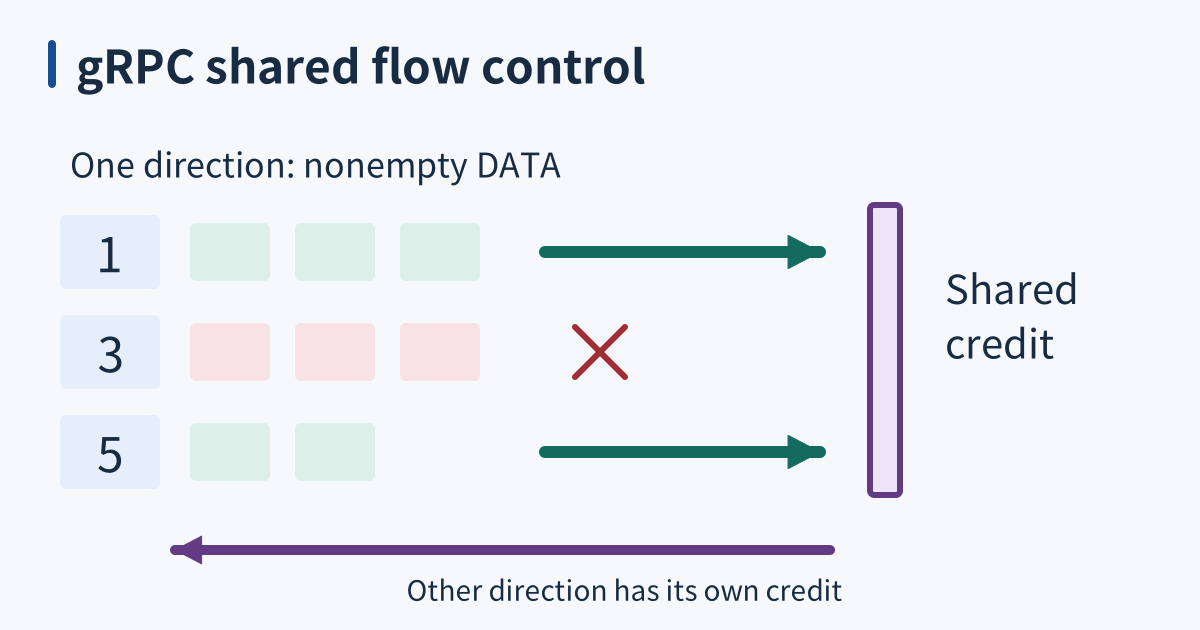
Ordered lanes 1 and 5 advance while lane 3 is paused; all share a connection-credit gate, with a separate reverse direction.

gRPC multiplexes many streams over one HTTP/2 connection

gRPC’s HTTP/2 transport lets multiple RPC attempts share a connection while keeping each stream’s messages ordered. That is useful for both short calls and long-lived exchanges. It does not make the connection an unlimited independent transport for every call: bandwidth, TCP delivery, connection flow control, and implementation resources remain shared. ...

January 16, 2027 · 5 min · XB Field Notes
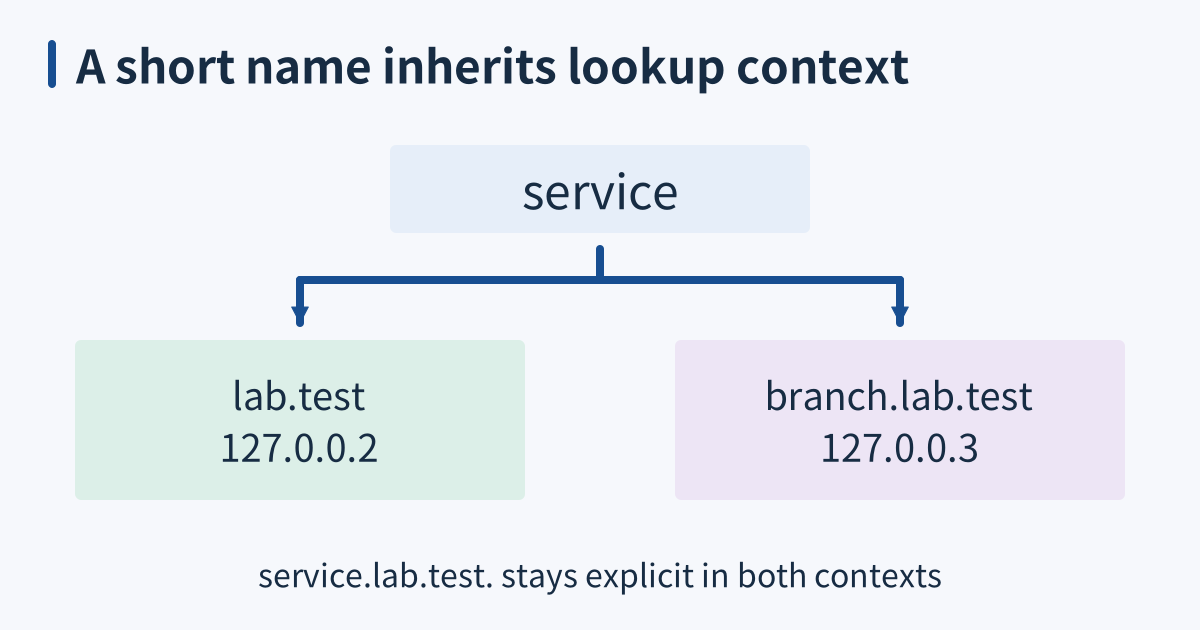
The short name service branches through search domains lab.test and branch.lab.test to 127.0.0.2 and 127.0.0.3. A footer keeps the absolute name service.lab.test. explicit across both contexts.

Useful hostnames distinguish local identity, service names, and lookup scope

A useful name gives people and software a reference they can carry across an address change. That reference needs a defined scope and owner. A machine’s local hostname, a service’s DNS name, and an instance identifier may intentionally differ. Naming them clearly helps operators understand logs and deployments without pretending that one label automatically establishes every other identity in the system. ...

December 1, 2026 · 6 min · XB Field Notes
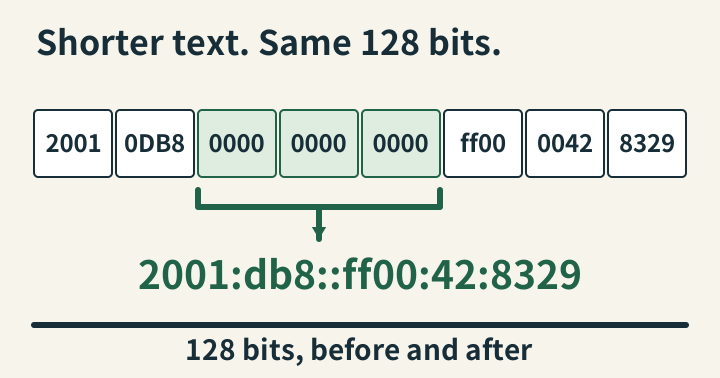
Eight hexadecimal groups depict the article’s example address. Three consecutive zero groups fold into a single double-colon, while leading zeros and uppercase spelling normalize. The represented address still contains the same 128 bits.

IPv6 text normalization preserves addresses, but endpoint context still matters

An IPv6 address contains 128 bits, usually written as eight hexadecimal groups. Text may omit leading zeros and replace one consecutive run of zero groups with ::. These rules preserve the address while shortening its spelling. RFC 4291 defines valid forms; RFC 5952 recommends a consistent representation for display and exchange. Valid syntax and the preferred spelling are related but different questions. ...

November 30, 2026 · 5 min · XB Field Notes