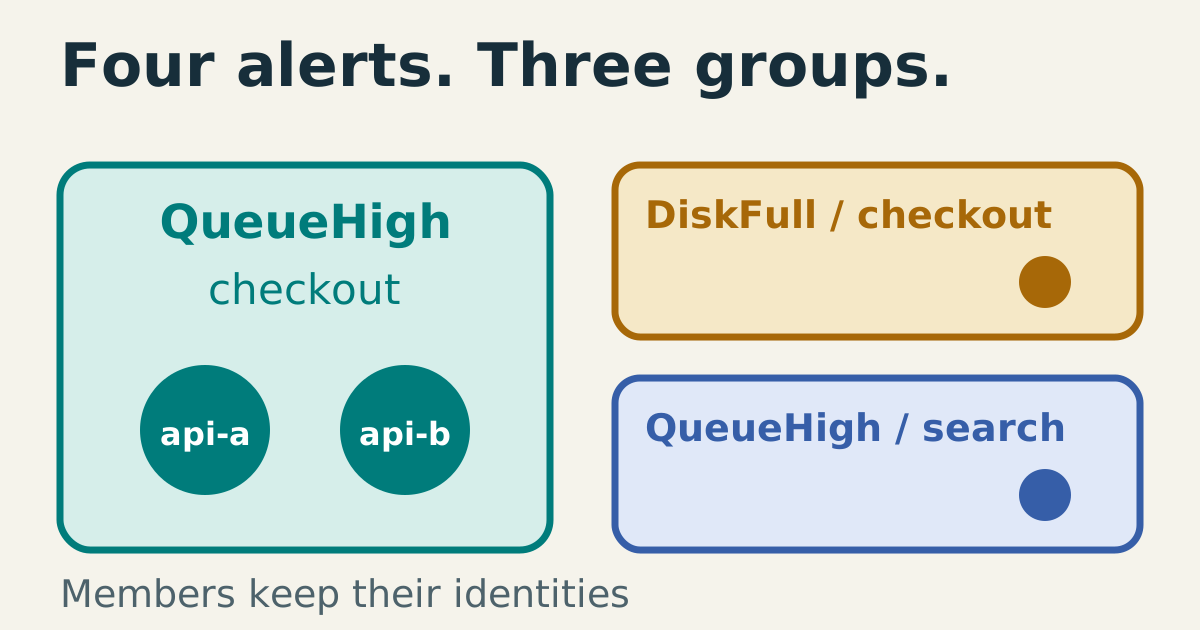
Four member dots sit inside three group boundaries: two QueueHigh checkout instances, one DiskFull checkout instance and one QueueHigh search instance. Different instance labels remain visible within the shared checkout QueueHigh group.

Alertmanager grouping batches alerts while silences suppress notifications

One incident can produce many alerts, but a group is not proof that those alerts have one cause. Alertmanager groups alerts according to configured labels and routing context so their notifications can be handled together. The original alert identities remain available inside the group. Silences add another operation: they suppress matching notifications for a time window without resolving the underlying conditions. ...
July 27, 2027 · 6 min · XB Field Notes
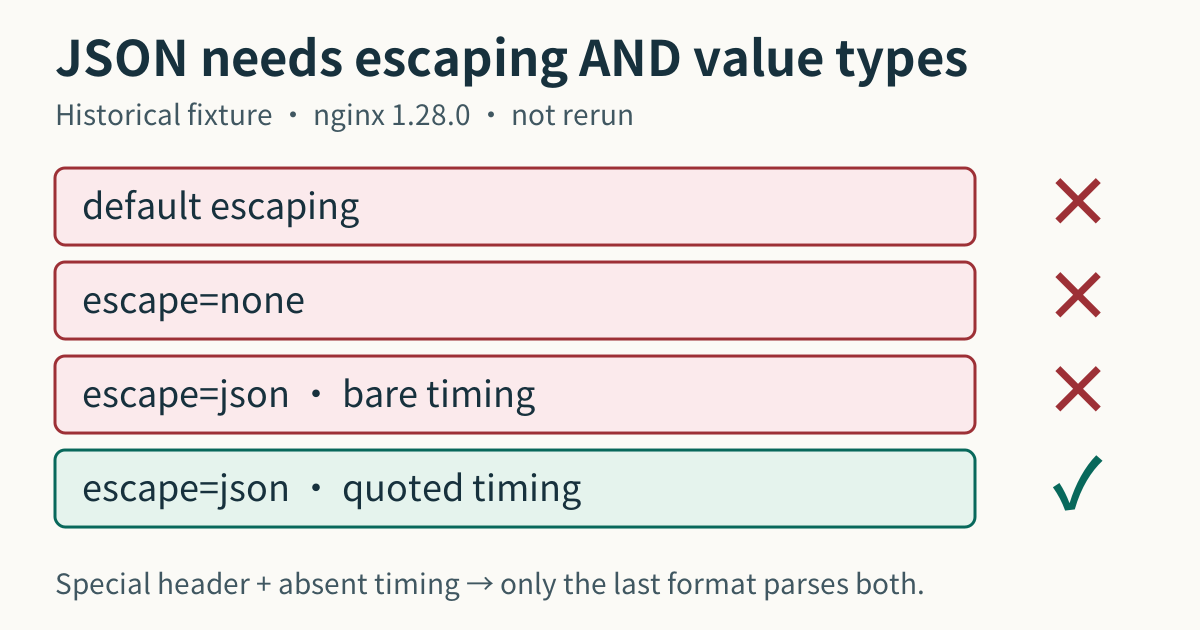
Four historical nginx log-format rows show three failing choices and one successful JSON-escaped format with quoted optional timing.

Structured nginx logs need escaping and a value-type contract

A log_format that resembles JSON is not necessarily a reliable structured event format. nginx substitutes variable values into the text, and those values can contain quotes, backslashes, control characters, or no data at all. Correct string escaping and correct value types are separate requirements. Testing emitted records with a real parser catches failures that a visually convincing configuration or successful nginx -t cannot establish. ...

July 15, 2027 · 6 min · XB Field Notes
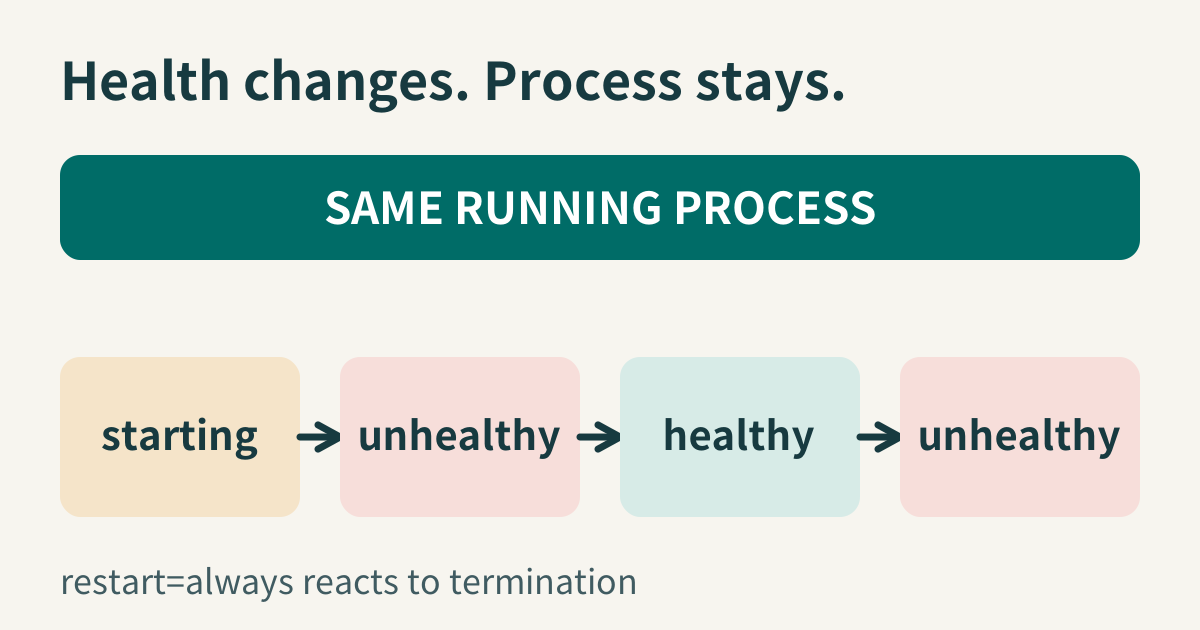
A continuous running-process bar spans changing health states: starting, unhealthy, healthy, unhealthy.

Docker healthchecks report a state; recovery needs a consumer

A Docker HEALTHCHECK runs a configured command inside a container and records the result as health state. It adds an observation beyond whether the main process is running. The meaning of that observation depends on what the command tests: a process check, an HTTP response, or an application-specific readiness condition. Docker does not infer a universal readiness contract from the presence of the instruction. ...

July 5, 2027 · 5 min · XB Field Notes
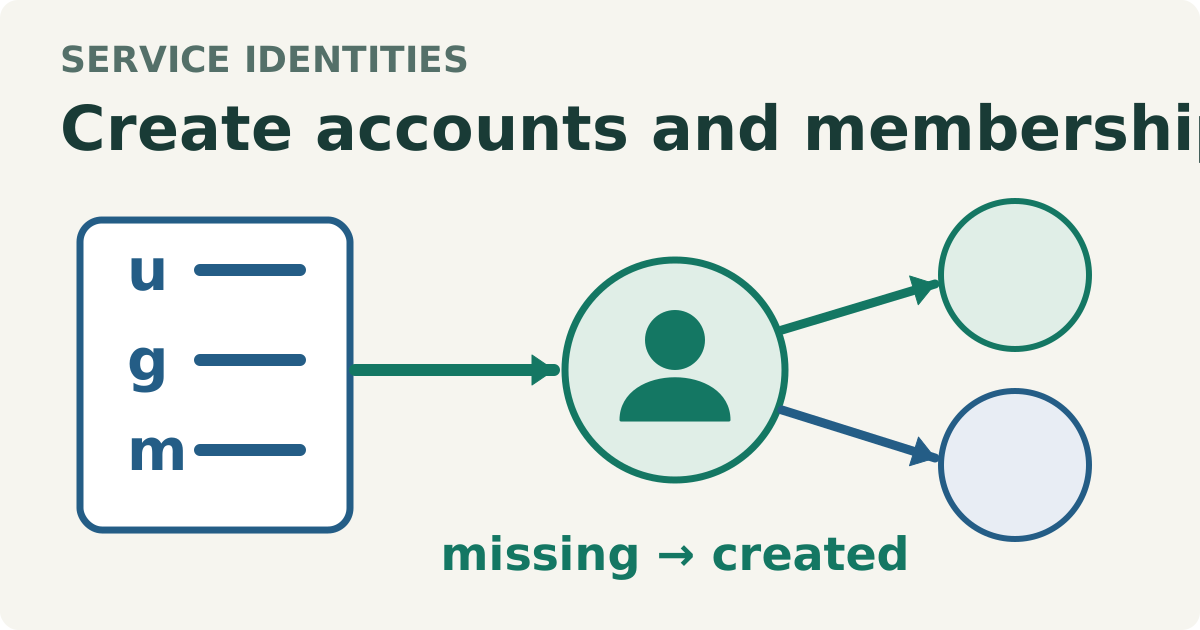
A u, g and m declaration points to a missing service user being created and linked to its primary and supplementary groups.

systemd-sysusers creates missing service accounts

A service package often needs a dedicated account before it can own files or run without root. systemd-sysusers describes that account and its groups in a small configuration file. Its central operation is creating missing identities and establishing requested memberships. It is not a general account migration engine, a directory creator, or a guarantee that automatically allocated numeric IDs match on every host. ...

June 8, 2027 · 5 min · XB Field Notes
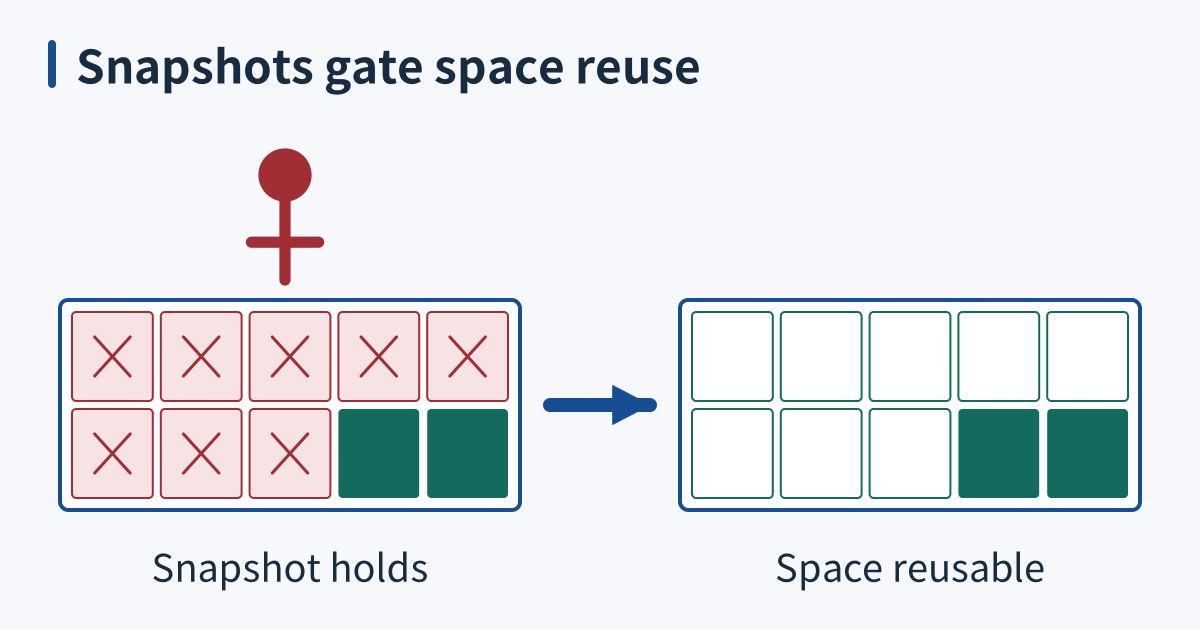
A retention pin holds crossed old-version cells in a heap outline; after release, the same-size outline contains empty reusable cells and surviving tail rows.

Vacuum reclaims versions after the visibility horizon

An update creates a new PostgreSQL row version, and a delete makes an existing version invisible to later snapshots. Neither operation means every older transaction has finished using that version. Ordinary vacuum, including work started by autovacuum, must respect that visibility horizon before reclaiming storage. Scheduling more cleanup cannot override a reader’s legitimate snapshot. ...

June 4, 2027 · 5 min · XB Field Notes
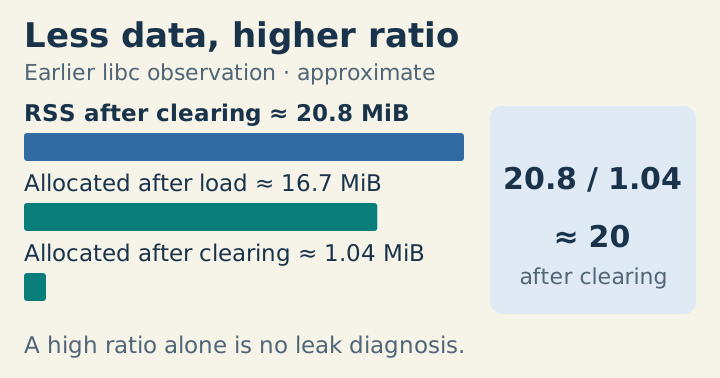
Common-scale bars compare historical approximate libc observations: allocations about 16.7 MiB after loading and 1.04 MiB after deleting all keys, with RSS about 20.8 MiB after clearing. The final ratio is about 20. These observations are not targets or proof of a leak.

Redis memory ratios need allocation context

A Redis process can keep a substantial resident footprint after application keys are deleted. That observation deserves explanation, but it does not by itself prove a leak or allocator fragmentation. The useful question is which bytes remain allocated, which pages remain resident, and whether that footprint threatens the actual capacity budget. ...

June 3, 2027 · 6 min · XB Field Notes
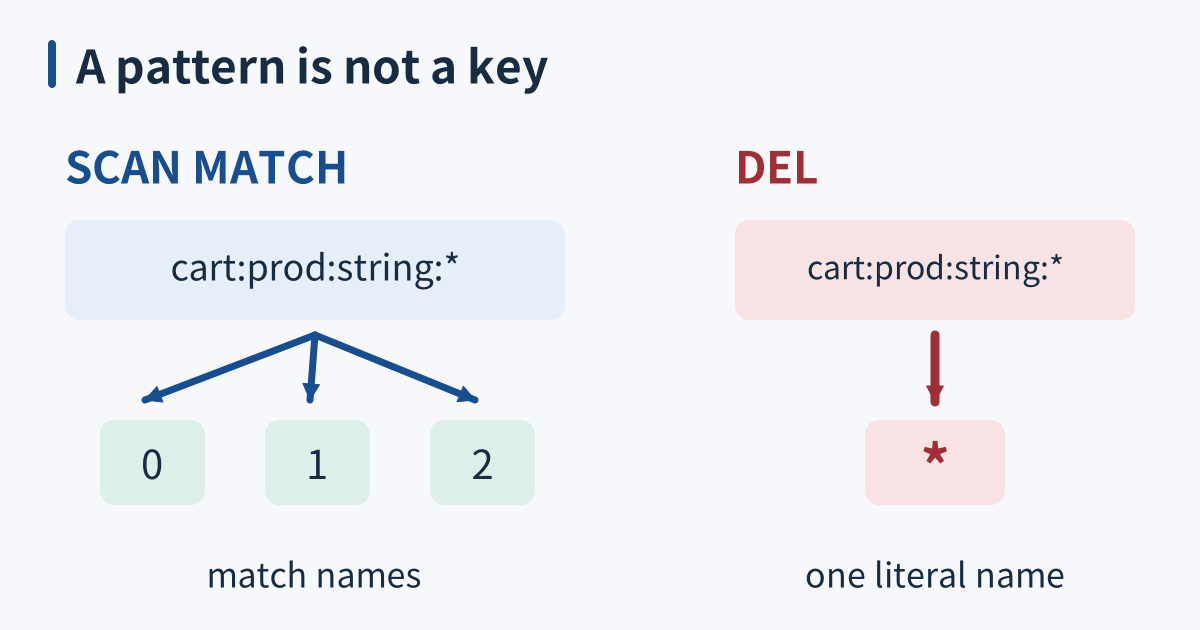
SCAN MATCH fans a prefix-plus-star pattern out to example sibling keys. DEL points to only the exact name with the literal star.

Redis keys read well with clear naming

Redis keys are binary-safe names in a flat keyspace, not filesystem paths or schema declarations. Colons are a useful convention for separating ownership, environment, entity, and identifier. A name such as cart:prod:string:42 can explain intent, but Redis does not interpret those labels as a type check or access restriction. ...

June 1, 2027 · 6 min · XB Field Notes