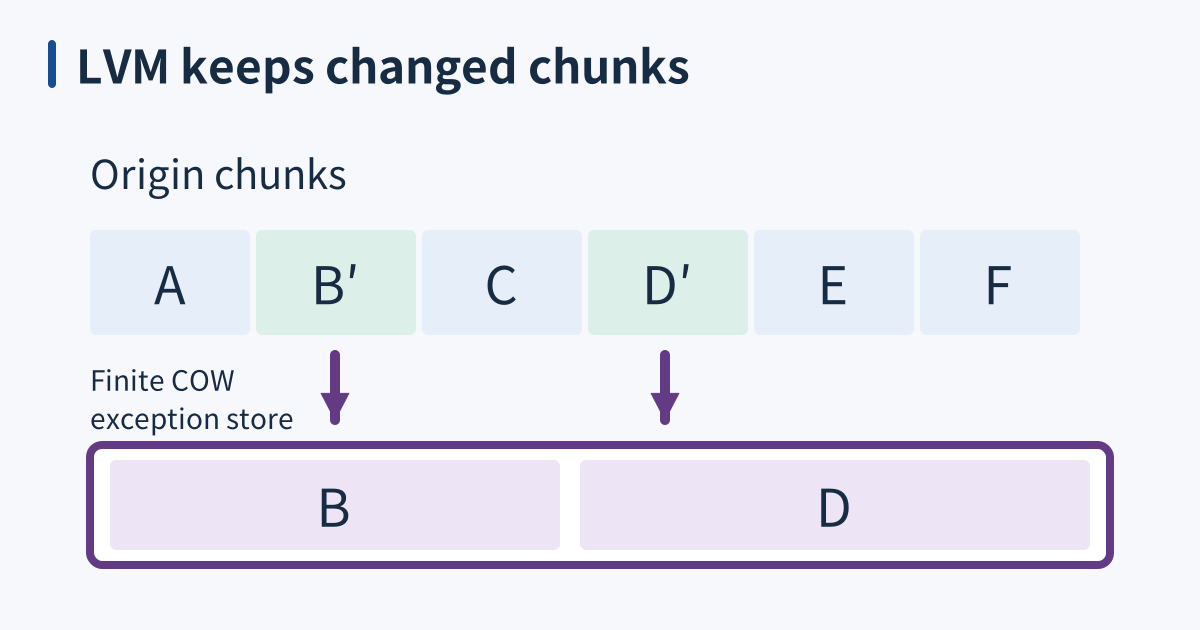
Changed origin chunks B and D point to their saved original values in a separate finite classic COW exception store.

LVM snapshots capture a block device in time

A classic LVM snapshot uses a copy-on-write exception store attached to an origin logical volume. lvcreate -s -L 5G -n snap vg/data requests a 5 GiB store, subject to allocation granularity and available volume-group space. It avoids copying the whole origin at creation, but does not guarantee zero work or instant completion. Thin snapshots use a different shared-pool mechanism. ...
April 10, 2028 · 4 min · XB Field Notes
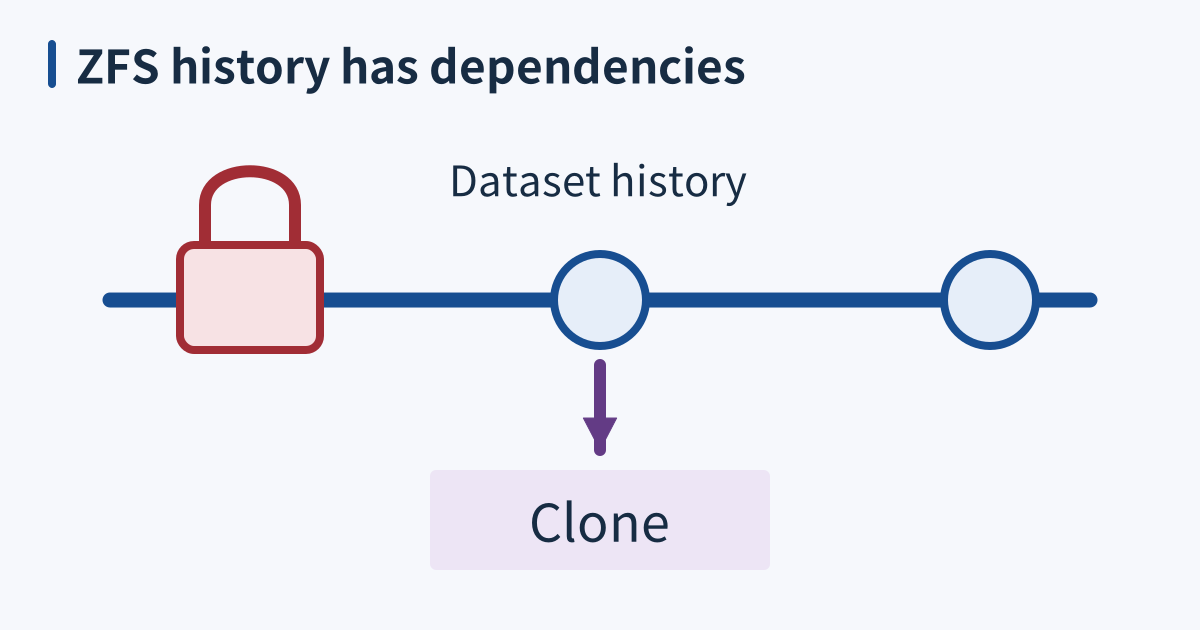
A dataset history line branches from a snapshot to a clone, while a separate lock marks a user hold on another snapshot.

ZFS snapshots give the filesystem a rewind button

A ZFS snapshot preserves a point-in-time dataset view through copy-on-write references instead of a full duplicate of its data. Existing blocks remain available while references need them. Creation still has metadata and synchronization work; neither zero allocation nor completion before a shell redraw is a measured guarantee. This review did not run ZFS or recover the earlier claimed fixture’s raw output. ...

March 21, 2028 · 5 min · XB Field Notes
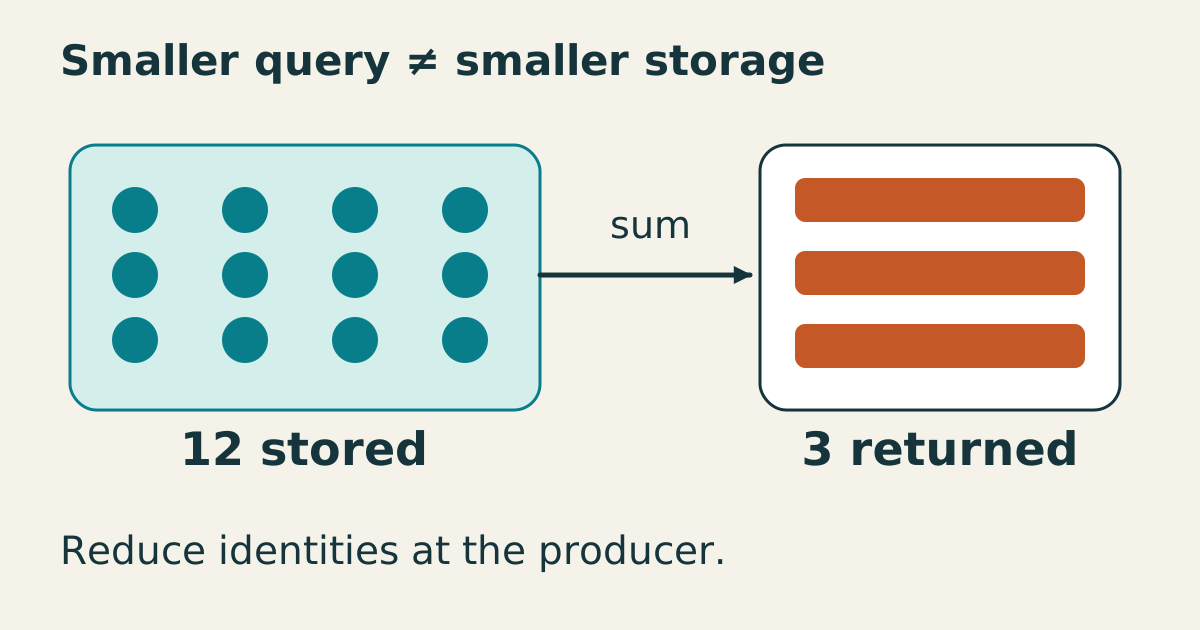
Twelve stored customer series feed three query rows; the larger input store remains in place.

High-cardinality labels increase stored series before anyone queries them

A Prometheus series is identified by a metric name and its complete label set. Adding customer or request identity to a counter can create many series even when every dashboard immediately sums those identities away. Query aggregation changes the returned result; it does not remove the raw series that were ingested. ...

January 10, 2028 · 6 min · XB Field Notes
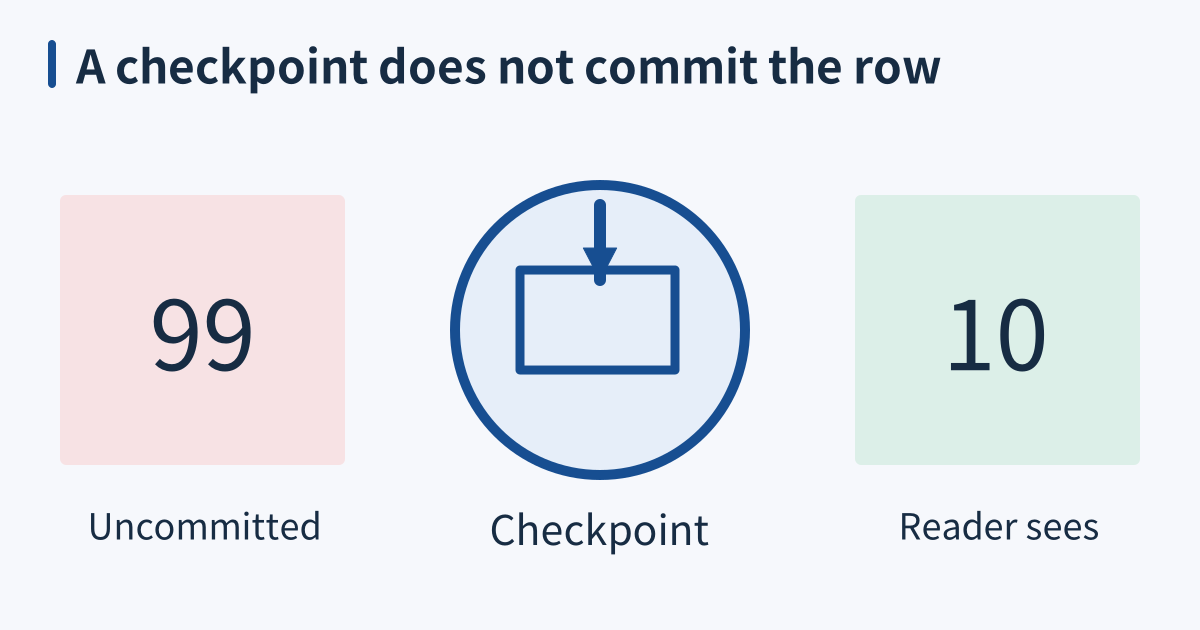
A completed checkpoint sits between an uncommitted value 99 and another session’s still-visible value 10.

A checkpoint flushes dirty buffers to disk

A checkpoint establishes a starting point for PostgreSQL crash recovery. It synchronizes the data-file changes required for that checkpoint and records the corresponding recovery information. WAL must reach durable storage before dependent data pages are written. This ordering allows committed work to survive without forcing every modified table page to disk at each commit, while recovery can replay later changes when necessary. ...

January 6, 2028 · 4 min · XB Field Notes
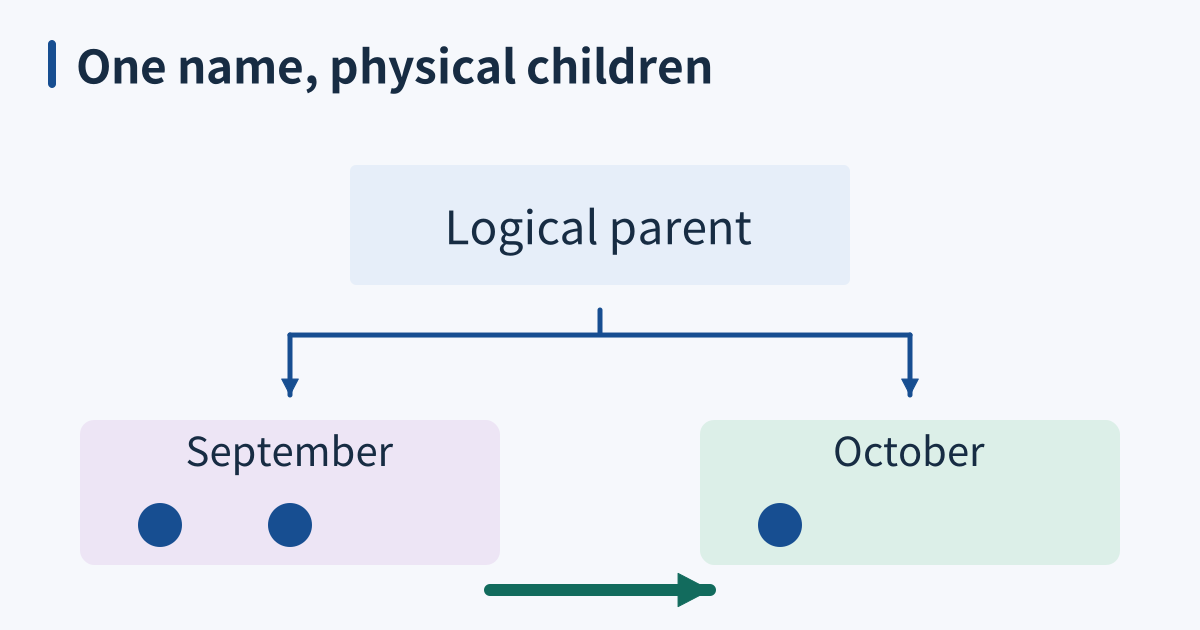
One logical parent branches to two physical month partitions, with a separate rightward row-movement arrow below the children.

Partitioning splits one table into many pieces that look like one

Declarative partitioning lets PostgreSQL expose one logical table while storing its rows in separate partitions. The parent routes writes and provides a common query target; the physical partitions hold the data. Its strongest benefits often concern lifecycle management and selective access, but the choice also affects keys, query shape, and operational locking. ...

December 23, 2027 · 5 min · XB Field Notes
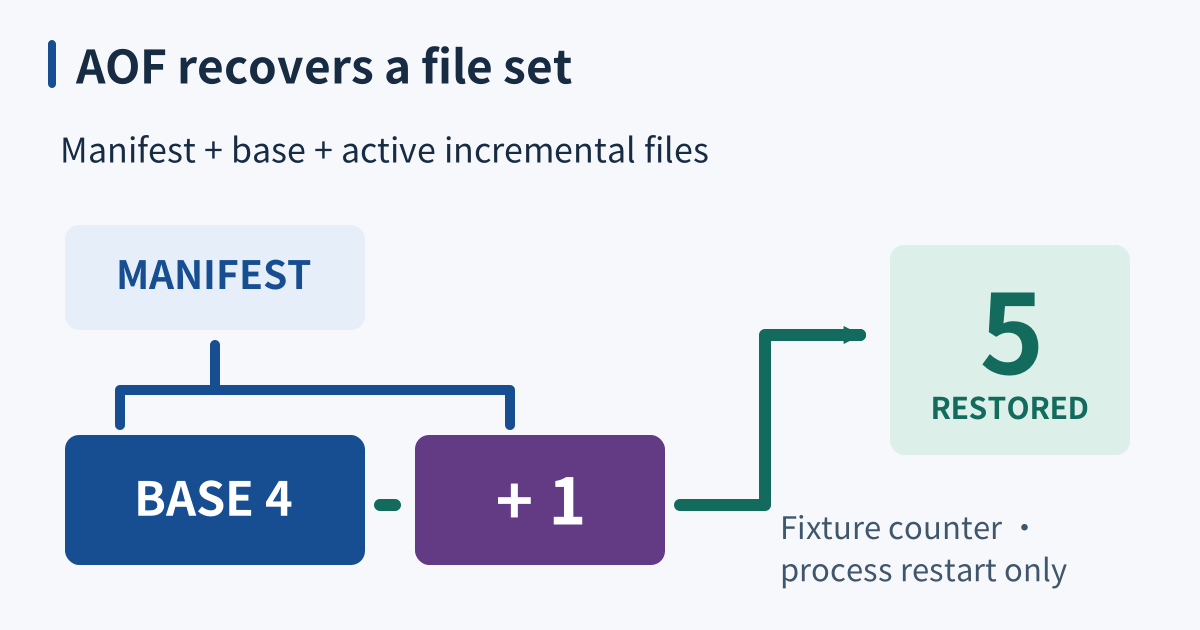
A manifest references the RDB-format AOF base and later incremental AOF. In the source fixture, a completed rewrite at counter 4 plus a later increment restores counter 5 after process restart.

Redis append-only log trades speed for durability

An append-only file records Redis mutations for recovery, but choosing AOF is not the same as promising that no acknowledged write can ever disappear. Durability depends on the fsync policy, effective configuration, storage behavior, and which failure you mean. Start with a recovery objective rather than the reassuring word “log.” ...

November 17, 2027 · 6 min · XB Field Notes
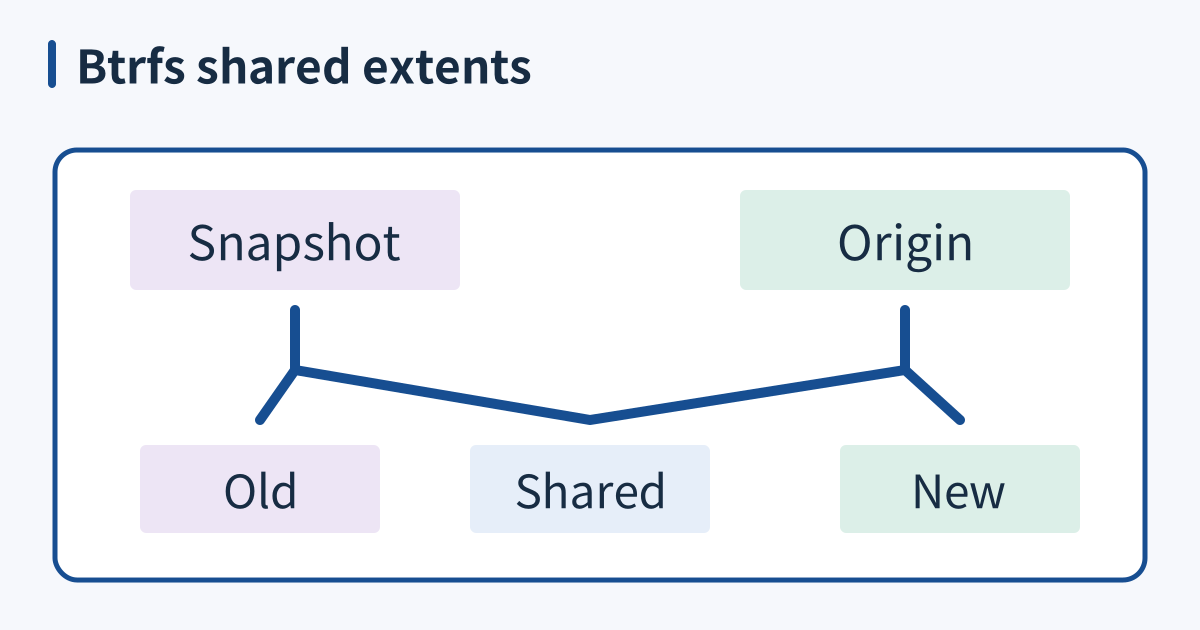
Snapshot and origin roots inside one filesystem point to shared unchanged extents and separate old and new data after divergence.

Btrfs snapshots are copy-on-write, not copies

A Btrfs snapshot is a new subvolume with the source’s initial contents, sharing existing file extents rather than duplicating every data block. Creation copies root metadata and may flush dirty source data, so it is not guaranteed to finish in milliseconds. More than two subvolumes or reflinks can reference the same extent; there is no fixed two-reference limit. ...

November 14, 2027 · 5 min · XB Field Notes
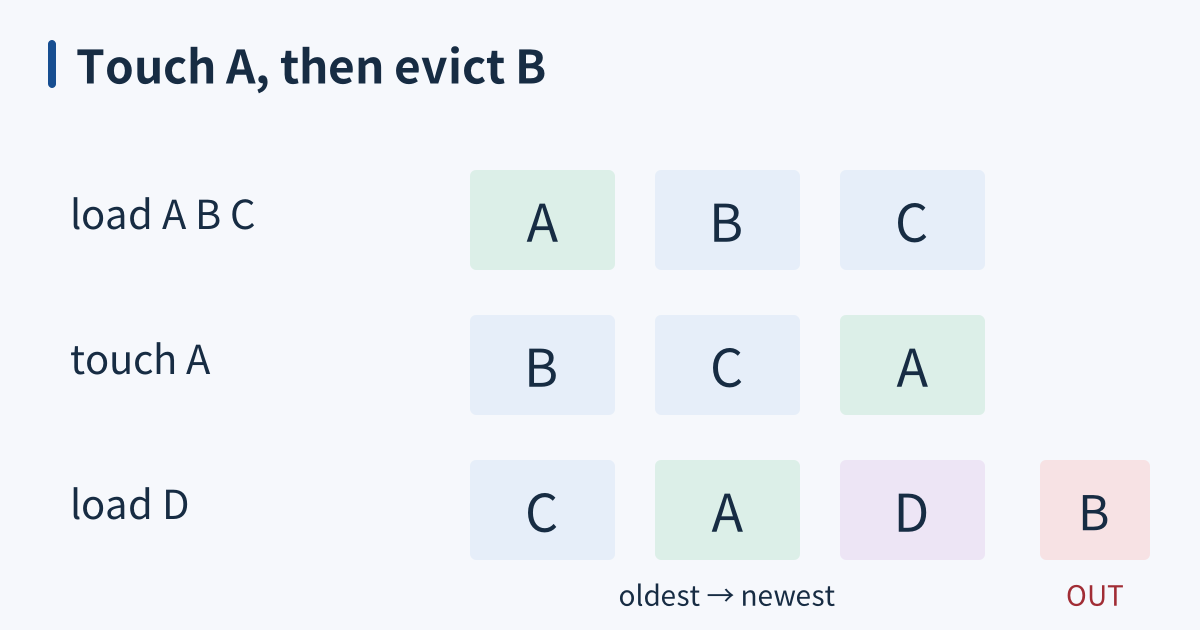
Three oldest-to-newest rows show ABC, BCA after touching A, and CAD after adding D; B is the evicted entry.

An LRU cache evicts the least recently used entry

LRU chooses a victim by recency, not by popularity, age, or business importance. When a bounded cache needs space, an exact least-recently-used policy removes the entry whose last qualifying access occurred longest ago. That rule can exploit temporal locality, but it neither guarantees useful hits nor keeps cached data fresh. ...

November 12, 2027 · 5 min · XB Field Notes