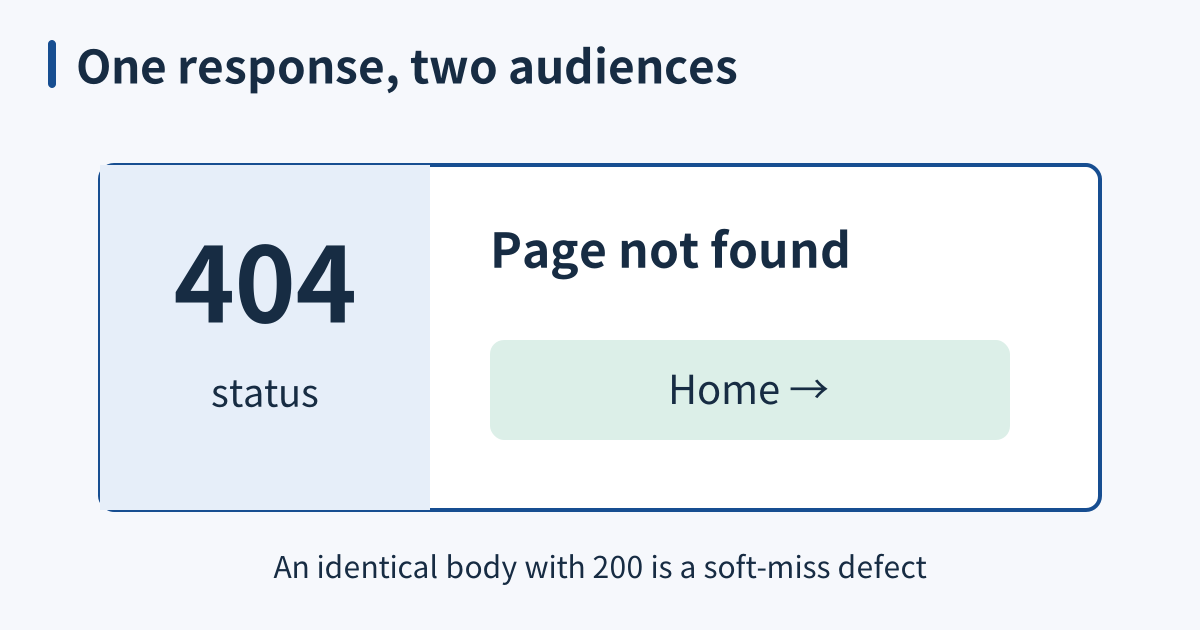
A single response panel pairs a large 404 status with a Page not found body and a Home link. An identical body with 200 is still a defect.

A 404 page answers honestly

A 404 response has two audiences. Software needs an accurate status; a person needs a useful next step. A beautifully designed error page cannot compensate for a false 200, and a correct status does not excuse an inaccessible page. Keep both parts of the response truthful without turning a missing address into a business outage. ...
July 3, 2027 · 6 min · XB Field Notes
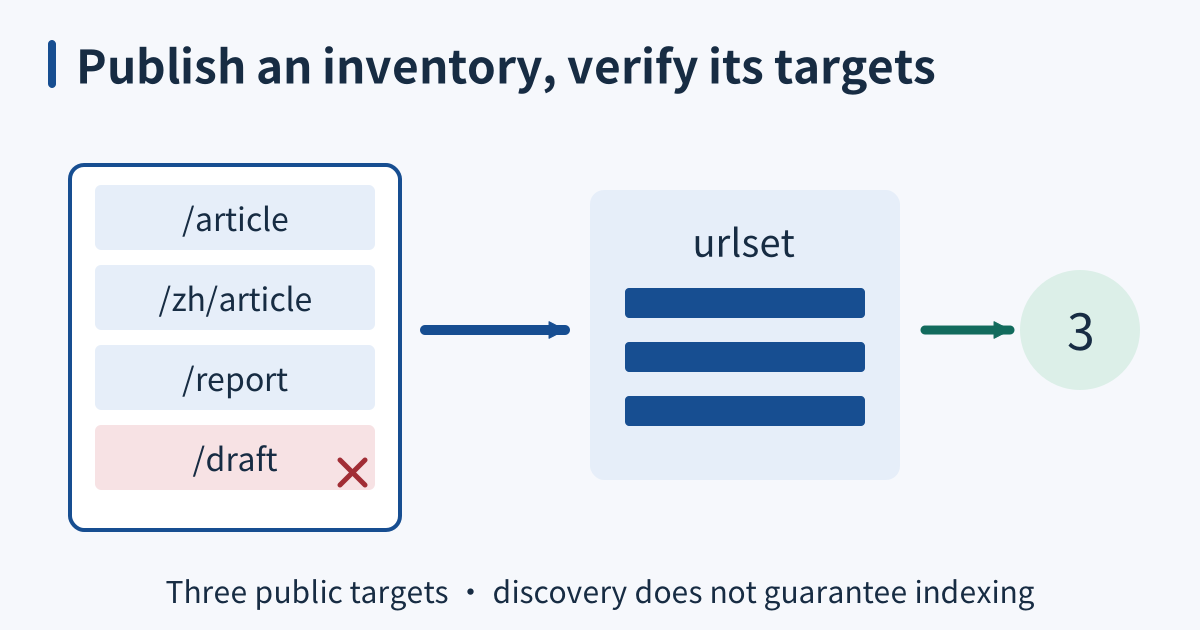
An inventory of three public paths and one crossed-out draft yields a urlset with three entries and three public targets. Discovery does not guarantee indexing.

Sitemaps guide crawler discovery

A sitemap gives a crawler an explicit list of URLs to consider. It is useful when new or deeply linked documents are difficult to discover through ordinary navigation. The list does not bypass authentication, grant crawl permission, guarantee indexing, or promise a revisit date. Treat it as a published inventory of intended public documents, and keep that inventory aligned with the site’s canonical URLs and actual release state. ...

June 30, 2027 · 5 min · XB Field Notes
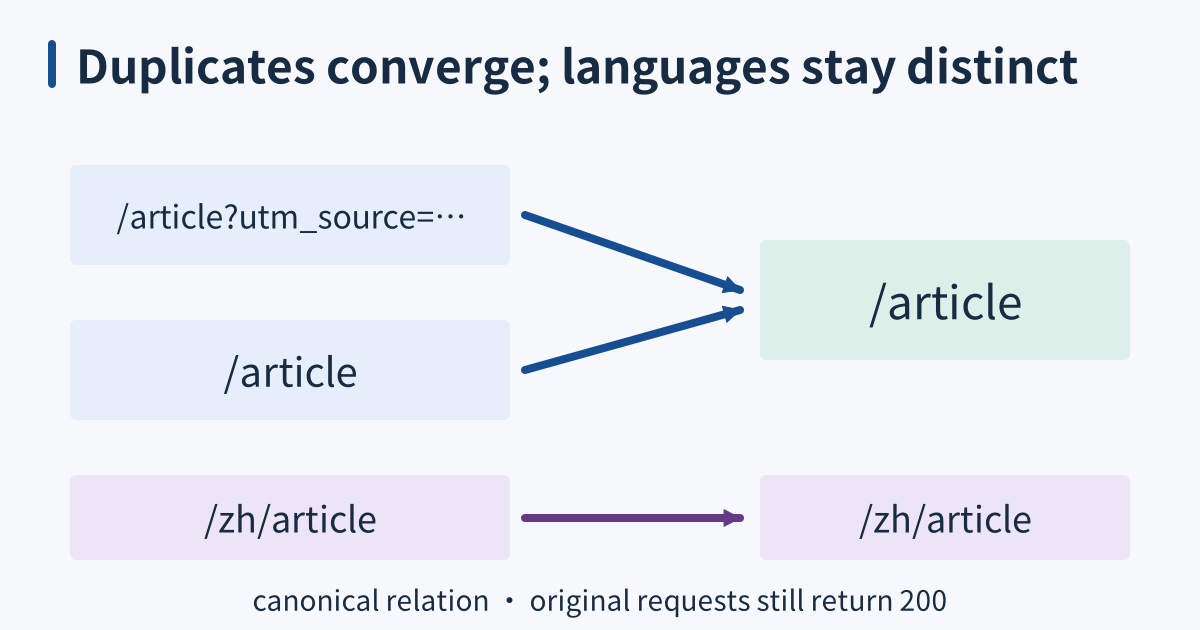
Canonical arrows from the English tracking variant and primary converge on /article. The separate Chinese row points to /zh/article. Original requests still return 200.

Canonical URLs name a preferred representation

Several URLs can deliver the same document: a tracking parameter, alternate host, or trailing-slash variant may leave the meaningful content unchanged. A canonical link identifies the preferred representation among suitable duplicates. It helps consumers interpret that relationship, but it does not redirect an HTTP request or force a search engine to select the declared URL. The declaration is useful only when its target and surrounding signals describe the actual content relationship. ...

June 26, 2027 · 5 min · XB Field Notes
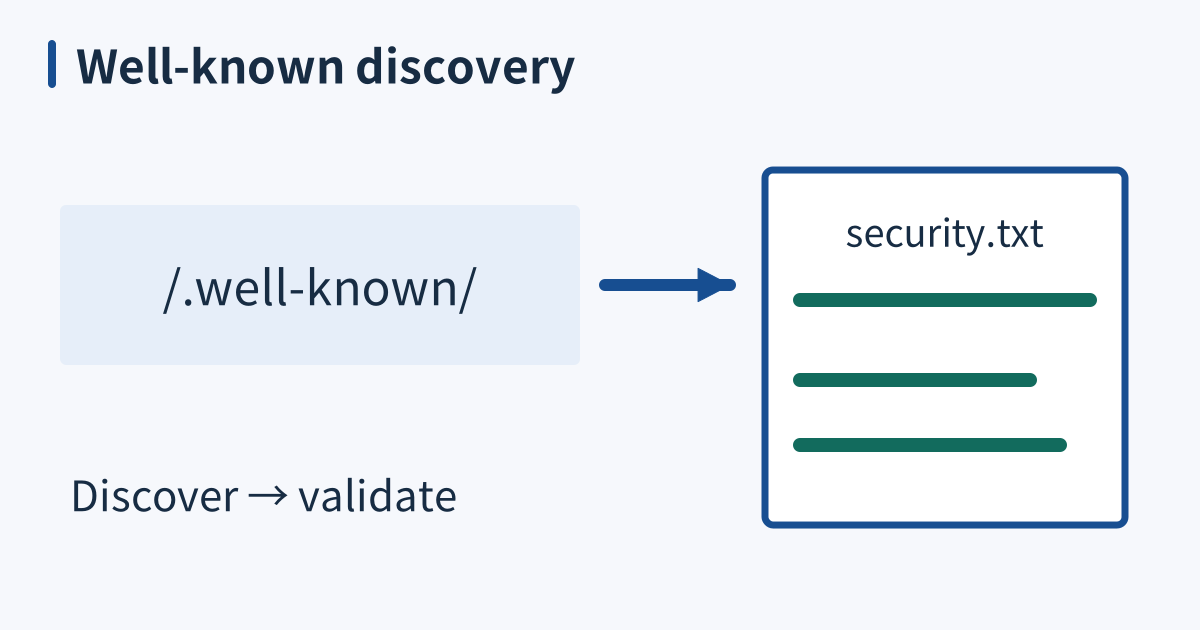
The well-known path points to a security.txt document whose fields still require validation.

Well-known endpoints provide a discovery convention

A well-known URI gives software a conventional place to discover information associated with an origin. The reserved /.well-known/ prefix reduces collisions between independently designed protocols, and registered suffixes identify their defining specifications. The prefix is a naming mechanism, not an implementation or a guarantee of trustworthy content. A server must still route the selected endpoint correctly, and a client must interpret the response according to that endpoint’s own contract. ...

June 22, 2027 · 5 min · XB Field Notes
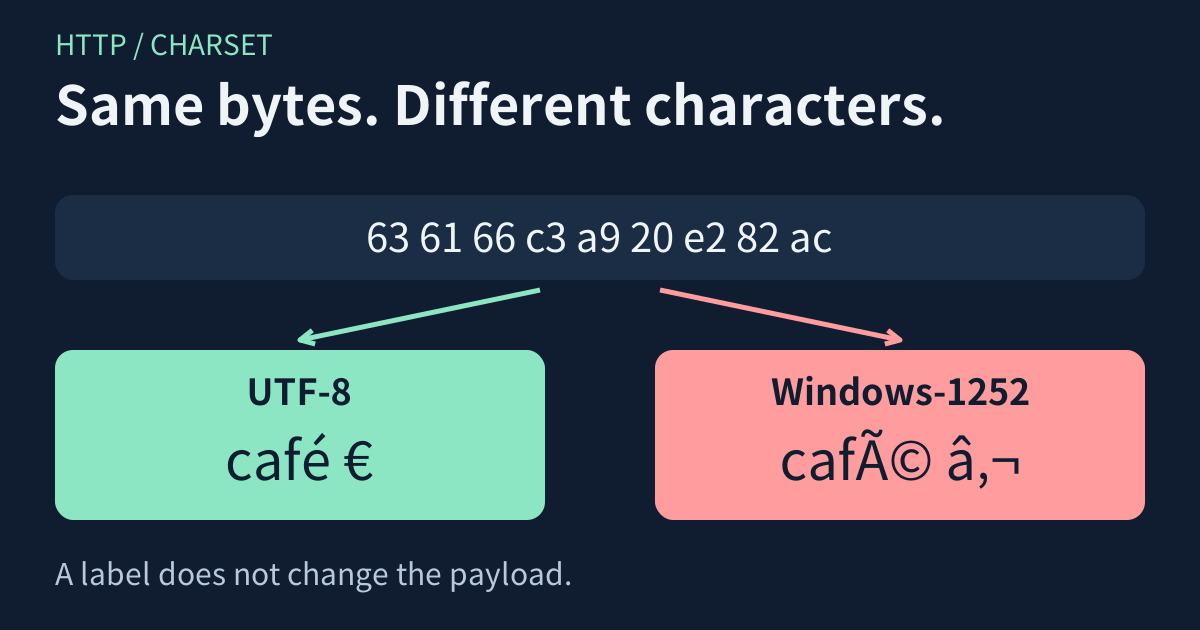
The UTF-8 bytes for café € branch through two decoders: UTF-8 recovers the original text, while Windows-1252 produces different characters without a decoding exception.

A charset tells the reader how the bytes become characters

Character encoding connects bytes to characters. In text/plain; charset=utf-8, the charset parameter names that connection; changing the parameter does not change the payload. Reliable text delivery requires agreement between the producer’s actual encoding and the consumer’s decoding rules, not simply the appearance of the word UTF-8 in a configuration file. ...

March 5, 2027 · 4 min · XB Field Notes
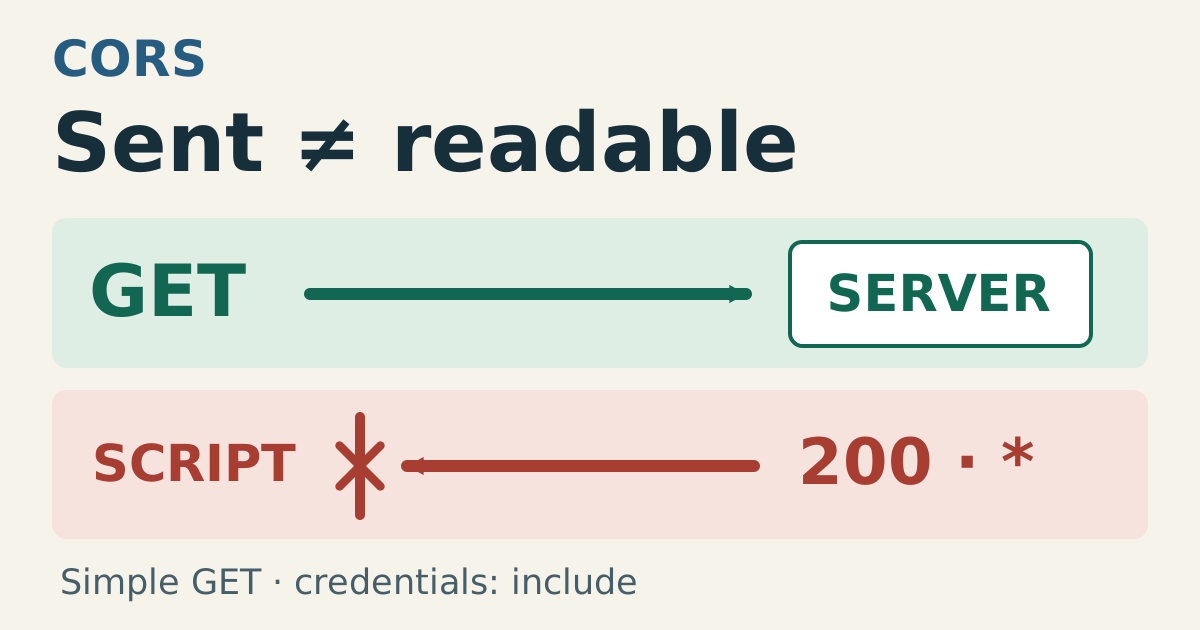
A simple GET with credentials: include reaches the server, but a 200 response with wildcard allow-origin cannot be read by the script.

CORS preflight depends on the request shape

CORS preflight asks whether a browser may send a particular cross-origin request shape. It is an OPTIONS request containing the proposed method and relevant request-header names. The browser checks the server’s response before sending the actual request. This mechanism is distinct from checking whether application JavaScript may read an actual response that has already arrived. Both stages can fail, but their effects on server-side execution differ. ...

January 22, 2027 · 6 min · XB Field Notes
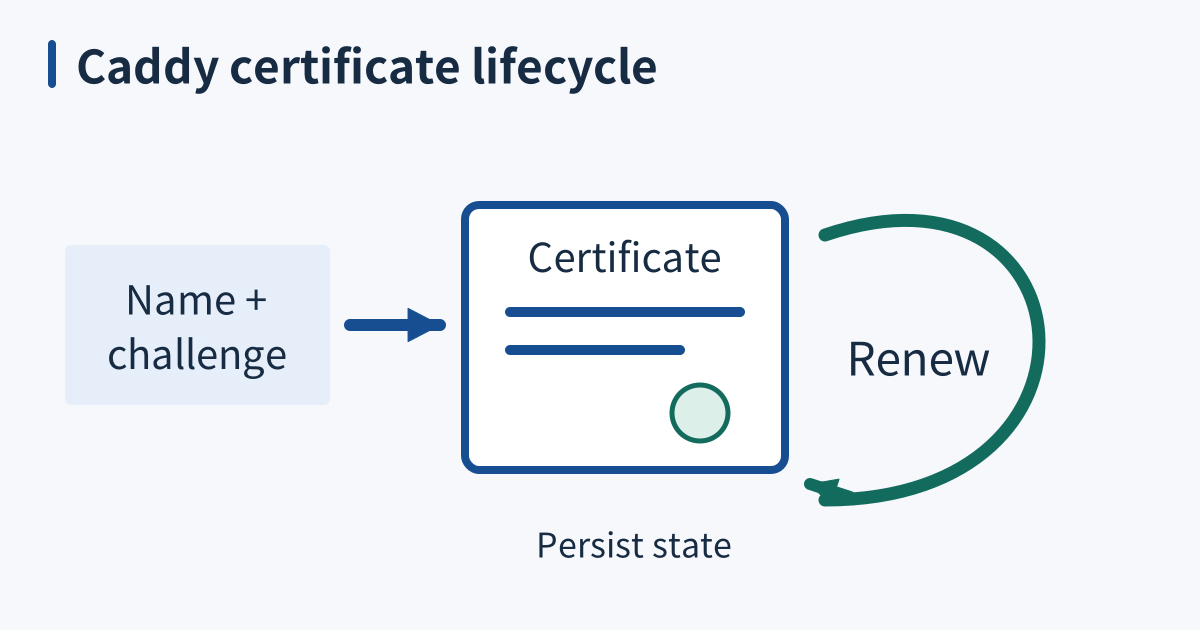
A qualifying name and challenge lead to a managed certificate, with a renewal loop and persistent state.

Caddy automates HTTPS issuance and renewal

Caddy can obtain and renew managed certificates without an operator manually implementing ACME. That removes repetitive work, not the prerequisites for issuance or the need to notice failures. A valid certificate today proves neither that the next renewal can complete nor that every TLS hop uses the same certificate. Identify the names, validation route, storage, and termination boundary first. ...

January 21, 2027 · 5 min · XB Field Notes
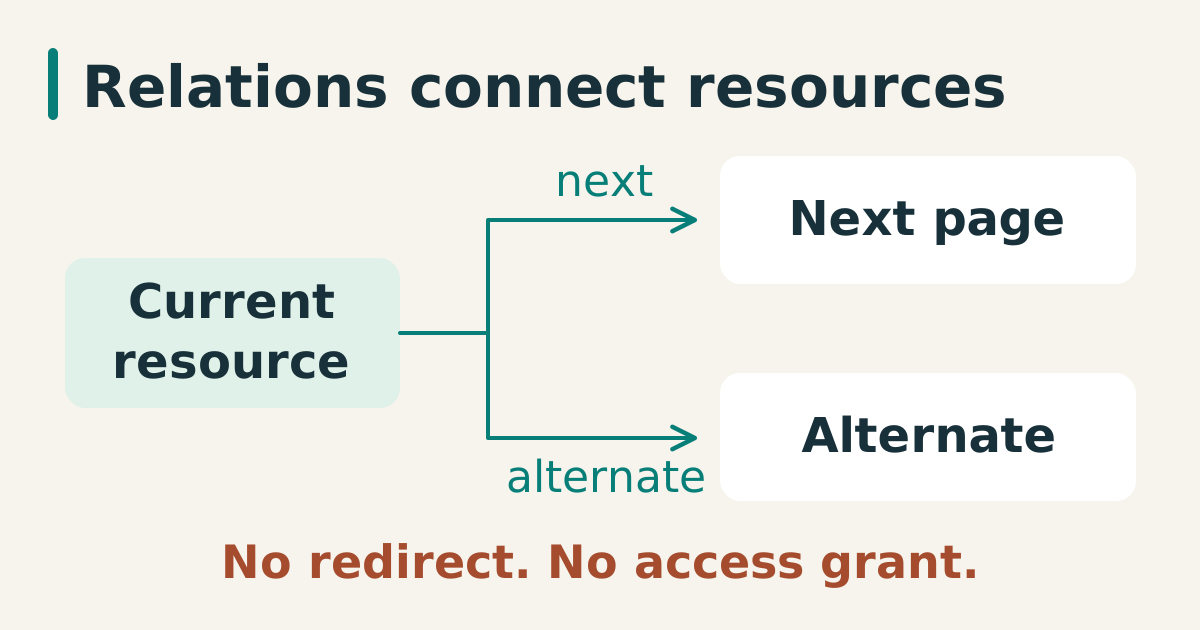
A current resource branches to a next page and an alternate resource. The arrows describe relations; they do not redirect or authorize a fetch.

The Link header relates adjacent resources

The Link response field describes relationships between the current resource and other resources. An API returning JSON can advertise its next page without making clients scrape HTML or invent a query parameter. The field supplies a target and a relation; whether to follow it remains a client decision. It is useful metadata, not a command that every browser or crawler must execute. ...

December 4, 2026 · 5 min · XB Field Notes